Showing posts with label home decor. Show all posts

Saturday, July 28, 2018

How To Select the Right Paint and Color For Your Home

Find all you need to know about selecting the right paint and color for your home.
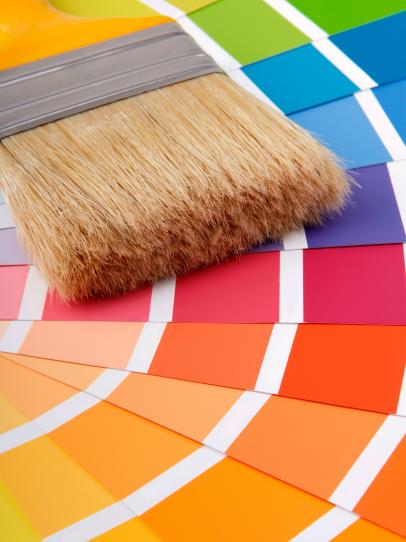

Cheap way to give an old room a breath of fresh air or to make your house more sellable if you are putting it on the market. Find out all you have ever wanted to know about selecting paint. 

Which paint should you choose?

Paint comes in a variety of sheens as well as in either oil or latex. Latex paint is the most commonly and preferred paint type to use because of its ease of clean up and long lasting durability. It also tends to be more fade resistant and breathes better than oil, resulting in less blistering of the paint. I recommend using a latex paint for most of your walls and household uses. However, oil based paint is great for priming real wood moldings and trim as it tends to seal stains and knots from the wood better than a latex paint wood. It does take longer to dry than a latex paint though, so plan for more drying time. I personally use an oil based shellac primer on my trim and then opt for a latex paint as the top coat. There are a variety of brands on the market, but my top preference is Behr paint.

Which sheen should I select?

The glossier the paint, the easier it is to clean up. If you have small children and the room you are painting has high traffic, like in a playroom, or tends to get grease on the wall such as in a kitchen, opt for high gloss sheen as you can easily wipe the wall down with a damp sponge. This will however make blemishes and imperfections in your wall more apparent and in rooms such as living rooms, could give off an unpleasant shine. High gloss is also great for trim and will give the trim a nice finished look, complementing the flatter sheen of your walls.
Semi-gloss would also be a good choice for kitchens and baths as well as trim providing you with ease of wash-ability and less shine than the gloss. It is also slightly cheaper than the gloss finish and is a very common alternative. Satin sheens have a satiny smooth finish to them and could also be used in kitchens, baths and hallways. This may be a good choice if you really want some gloss and paint that can clean easily without the shine of a gloss.
If you have walls with lots of imperfections, select a flat or matte paint. You can usually get away with one coat of paint with a flat. The downside to this paint is that it does not stand up well to a good cleaning and does tend to show dirt more so choose this for rooms that will not get lots of fingerprints and dirt on them. Probably the most popular sheen is eggshell, which hides imperfections like a flat does but is easier to wash, so more durable and smoother to the touch. I recommend this for most rooms as it seems to have the best of both the flat and glossy worlds.

Which color should I choose?

If you are in the process of selling your house, I recommend selecting a white or off-white color as the choice for walls. This will allow the buyer to easily cover the wall with their choice of color and will give your rooms a brighter and clean appearance. However, you should take full advantage of the hundreds of paint selections and brochures at your local paint store as well as talk to a salesperson about the various color schemes for the look you want. You can change the feel of any room in your house with a little planning and some color, varying the shades for a certain look or feel.
A good rule of thumb is to remember the color wheel. We all learned about the primary colors in school - red, yellow and blue. These are on the color wheel at 12:00, 4:00 and 8:00 respectively. Combining any of these will give you a secondary color (i.e. purple, orange). Colors near each other on the color wheel such as blue and purple are analogous to each other and will allow one color to stand out more. Colors opposite each other on the color wheel such as green and red are complementary to one another and will nicely play off each other. Staying within the same shade of color (i.e. greens) will give you a subtle and soothing look. Painting with cool colors such as blues, greens and purples makes small rooms appear larger and more airy while colors such as reds, yellows and oranges will give a room a more vibrant appearance. You can vary the warmth even with a red or yellow by choosing muted shades of those colors such as pink, peach or a buttery yellow. Warm colors have cool ones as their complementary colors while cool colors have warm complements. Shades are either pure or vibrant, muted (which are less intense than their vibrant counterparts) or shaded (the darker colors in the same color scheme). 

I want a subtle and soothing look:

You can choose to stay within the same shade and use a monochromatic approach such as select a variety of shades of blue for subtle color that tends to be soothing. This tends to look good in a bathroom or a bedroom if you want the feeling of calmness. Just choose your favorite color and overlap the shades. For example, select a darker color for the wall and then another in the same color scheme but different shade and slightly lighter for the trim. Your curtains, towels or bedding as well as accessories such as candles can be varying shades within the same scheme. You can also layer the colors by selecting a lighter green as the basecoat and then do a faux paint with a darker green overlay.
Light color choices such as blues, lavenders, pinks and soft yellows are great choices for a romantic feeling of tranquility and restfulness in a room. If you are looking for a calm ambience in your bedroom, choose lighter shades of either cool or warm colors. Use different textures in your bedding and accessories to make the room even more appealing. Don’t hold to the old rule of one shade and one texture. You will be pleasantly surprised at the effects just changing textures and colors can have on a room.
 Colors such as sage can turn a kitchen quickly into one of comfort and shades of buttery yellows in a kitchen will lend to that feeling baked goodies brings. Shades of powdery blue also tend to yield feelings of tranquility.

I want an elegant look:

Neutral colors offer elegance and flexibility within a room. Neutral colors are no longer simply white or beige. You can turn a simple living room into one of elegance by selecting varying shades of neutral colors such as almond walls with red toned browns on the trim. You can also add splashes of color throughout the room with a color throw, pillow or vase carefully placed to offset the subtle neutral tones in the room. Again, don’t be afraid to add texture to your accessories. Neutral colors allow you more flexibility in quickly changing the feel to a room. You can easily change the feel of a neutral room by adding different colored accessories or painting the trim a new color. You can choose either lighter or deeper neutral colors and vary the look of the room. Remember, the lighter color you go, the more spacious the room will appear. Varying shades of rust, mahogany or garnet will offer instant elegance and a feeling of earthiness and richness.

 I want a vibrant look:

If you want a room with pizzazz, choose vibrant colors and their respective shades such as oranges and gold, reds and dark purples. You can complement these colors by selecting a two next to each other such as gold and orange and one from the opposite side of the color wheel such as purple. You can also select black and red for a real stand out contrast and look that is reminiscent of an Oriental look. Choose two colors next to each other on the color wheel for a visual contrast as one will stand out from the other.

Ceilings:

You can lower a high ceiling visually by painting it a darker shade than the walls. By the same token, you can expand a room by selecting a lighter color for your ceiling than the walls. Don’t be afraid to add a tint of color to your ceiling paint for a tied in and subtle look. One way to go if you are afraid of too much color in your ceiling is to paint the ceiling, door trim and floor moldings the same shade such as a creamy ivory. This will add a touch of elegance and a nice transition throughout your room.

Creating Focal Points:

Think focal point when you are painting a room. You can quickly change the look of any room by adding contrasting colors to the walls and trim or by adding a darker color to one particular wall. You can make a large room look smaller by painting one wall a darker shade. You can also visually expand a room by painting the walls a darker color and the trim a lighter shade within the same color scheme, especially if you have a room with detailed trim on the walls. This easy change will make the room pop out more visually and add definite appeal. If you have a room with molding halfway between the ceiling and floor, use two different shades of the same color for a wonderful visual contrast. Highlight any interesting aspect in your rooms with a darker, complementary shade to the one you have chosen for your walls. Visible stairways, especially those in the middle of the room look incredible when painted a darker shade than the walls and gives you a wonderful focal point.
You do not have to spend a lot of money on an interior designer to redo the look of your house. With a little paint and a lot of imagination, you can easily change the look and feel of a room. Look for highlights of your rooms and think of ways to make them stand out. Think of how you want to feel when you are inside that room. Do you want to feel romantic and calm? Choose a light warm or cool shade. Or do you want to feel homey and comforted? Select buttery yellows such as for your kitchen. Do you want a feel of calmness and balance? Select shades of green that are light or moss or sage colored. Do you want to feel energized and express your vibrant personality? Choose vibrant shades. Do you want an air of elegance and serenity to a room? Select neutral shades or cool light greens. The point is, you can quickly feel the way you want with a can of paint or two, a paint brush and a little imagination. 

Content provided by Associated Content from Yahoo!

Thursday, January 9, 2014

An Introduction to Exterior Painting

Exterior painting is as important as interior painting. It will give your house a nice look and you can also use the project to change the appearance of your home. If the paint on the exteriors of your home is fading or peeling off then you will certainly want to apply a new coat of paint to make the house look more presentable.
For your exterior painting project you must have all the necessary tools on hand. In addition, you have to take care of things like cleaning the walls and applying primer as well as using the right quality of paint. Each of these factors is very important and will help you do the paint work properly. Before doing anything else, you should also repair cracks in the walls.
The first thing that you need to do before starting the exterior painting work is choose the right paint. You have to pick the paint that is of the right quality and it should also be of a suitable color. There are two options available to you in terms of paint and these include latex paint and oil-based paint. The former is water based and is ideal for exterior walls. The latter does not dry out completely and hence is not the best option for painting your walls.
Once you have decided on the quality of paint you then need to figure out how much paint you need to get the job done. You can calculate this amount by figuring out the area of each wall. The next step is to clean the walls so that all debris and dust and grime is removed. You also need to remove the old paint.
After cleaning the walls you have to caulk and mask the walls. The caulking will help you to fill joints and gaps in the wall and it also provides suitable insulation to the house. Caulking also provides protection against insects and dust. You should also, before doing the exterior painting work, repair all cracks with 1:3 cement mixed with sand.
The next step involves applying the primer. The primer should be applied to after you are done with caulking your doors and walls and windows. The primer makes it possible for the paint to stick to the exteriors. Once the primer has been applied you should then apply the exterior paint. First, apply one coat of paint and then give enough time for it to dry. You may want to wait between six and eight hours before applying a subsequent coat.
I hope this article has helped you understand more about exterior painting. Luckily, you can appeal to us anytime, as we are an excellent exterior painting Vancouver company. Visit us today!
Article Source: http://EzineArticles.com/?expert=Hossein_Mehrizy

Article Source: http://EzineArticles.com/8126425

Saturday, July 14, 2012

How To Choose The Right Colors for Home.

How to Choose a Color Scheme

Discover your color preferences with eight tips for picking perfect color palettes.
 Pick a color, any color.
If only choosing a color palette for your interiors was that easy. It can be, thanks to designer Mark McCauley. The author of Color Therapy at Home: Real Life Solutions for Adding Color to Your Life, he offers eight tips to help you discover your color preferences and take on white walls.
Tip #1. Choose a color scheme from the largest pattern in the space.
If you've got patterned upholstery, an Oriental rug or large piece of artwork, pluck colors you like from the pattern. For a neutral wall paint color, look to the pattern's whites and beiges.
Tip #2. Start with the formal areas of the house.
Specifically, the living room, dining room and entry way. Choose a color scheme for those areas first, then pull one color from the scheme. For example, take the red sofa and tone it down (say, to burgundy) for an accent in more private spaces such as the den, office or bedroom.
Tip #3. Decorate your space from dark to light, vertically.
A real "cookbook" way to make any space look good without much risk, McCauley says, is to use darker color values for the floor, medium color values for the walls and light values for the ceiling.
"Any interior space replicates the outside world," he says. "The exterior environment is generally darker below our feet (the earth itself), medium-valued as you look straight ahead (buildings/trees) and lighter values skyward."
Tip #4. Study the color of your clothes.
Most people buy clothes in colors they like to wear and think they look good in. Similarly, you should decorate your rooms in colors you look good in. "If you don't wear yellow, don't get a yellow sofa," McCauley says. "You're going to look sickly on it."
 Tip #5. Use the color wheel.
In general, analogous color schemes — colors next to each other on the color wheel, such as blue and green — are more casual and relaxing, and work best in informal or private spaces. This is a good strategy for a bedroom, where you want to rest and recover.
Whatever color scheme you choose, McCauley advises to put something black in every room. "The black clarifies all the rest of the colors in the room," he says. Try a black lampshade, a black vase or a black picture frame.
Tip #6. Use the rule of 60-30-10.
"When decorating a space, divide the colors in the space into components of 60 percent of a dominant color, 30 percent of a secondary color and 10 percent of an accent color," McCauley says. The walls will most likely be the majority, the upholstery would represent the secondary color and accessories such as a floral arrangement or throw pillows would make up the rest. "Works every time!" he says. "The colors are properly balanced and there is a shot of color (the 10 percent color) for interest."
 Tip #7. Go with the architecture.
If you have a small room in your house, don't paint it white to make it seem bigger. Instead, cozy up to its architecture with a rich, warm color scheme. Let your big rooms expand with light, and your small rooms wrap you up and nurture you.
Tip #8. Follow your personal style.
If you decorate honestly, other people will appreciate it because it's you, even if they'd never decorate their own house in the same way. That means if you want to make every room in your house red, white and blue, go for it. You can make any color look good as long as it's your taste.


Wednesday, April 13, 2011

Decorate Teenager's Room With Wall Art Stickers

When it comes to decorating rooms, the most difficult age group to decorate for has to be teenagers and 'tweens'. Their rooms are stuck between mummy and daddy decorating and their own need to surround themselves with decorating items that they find cool and entertaining.

The key is to find a balance. You can either focus on decorating the floor/ walls and lighting in neutral decorating themes and then let the teenager add their touch with soft furnishings and posters, ornaments etc. Or you could let them choose the base color scheme and you look at providing the detail.

Either way, presenting some ideas is key and letting the teenager choose or at least have some say in how it unfolds is important.

For your own sanity, as the parent, guardian, decorator, remain flexible and be prepared that the chosen decor won't last long. No doubt the theme and ideas will change every 12 months as the teenager grows and trends change.

With short term decorating in mind, we highly recommend the decorating base; walls, floors, curtains etc are relatively neutral which allows the lower cost changeable items to be updated frequently.

The low cost wall vinyl stickers available on the market today are a definite consideration when decorating a teenagers room. With dozens of online shops available in USA, Europe and Australia all offering amazing designs of wall stickers and wall lettering and quotes, you have plenty of choice.

Wall stickers are removable and low cost, two key considerations for decorating teenagers rooms. Hit some websites WITH your teenager, remember their input is essential for a happy decorating project.

Top 5 ideas for wall sticker designs for teenagers include:


Encourage your teenager to write a list of their favorite words that they would like on the wall. These words can be custom made into wall words in different fonts and colors.
Choose a meaningful quote, or together you can come up with a great quote and have that made into a wall quote.
Look for designs that reflect the teenagers interest, for example: dancing, sport, music, intellect, there are plenty of options.
For something really quirky you could have a custom wallpaper made with pictures and sketches by the teenager printed on the wallpaper. This is more of a long term project.
Pick out there favorite lines to a favorite song and use these as a wall quote.

Any wall stickers will decorate the walls, but also consider placing designs on bedroom windows and let the light shine through them, or on mirrored cupboards, on bedroom doors, in bathrooms. The decorating piece can be as large or as subtle as the teenager chooses.

Enjoy!


Article Source: http://EzineArticles.com/6107230

Saturday, August 22, 2009

Decorating a Reading Nook


Decorating a reading nook or corner can be an investment in your child's future. When children discover books, a new world opens up to them, both now and in the future. According to the National Children's Reading Foundation's website, "Just 20 minutes a day reading aloud to to young children promotes family bonding, encourages listening and language skills, and gives children a strong reading foundation." One of the ways you can promote your child's love of reading is to make intimate one-on-one time in a space decorated just for sitting and reading with your children. Don't have a space? Here are some ideas to get you started.

1. Room for all. Find an overstuffed chair wide enough for the two of you. An ideal chair is a chair and a half, which is slightly smaller than a loveseat and ideal if you are reading to several children. Kids love to snuggle with their parents! (And parents love to snuggle with their kids!)

2. Reading light. Make sure that there is proper lighting near your chair. Use soft, reader-friendly bulbs in lamps which are the correct position to prevent light from shining directly at eye height. You don't want to read with glare in your eyes.

3. Tableside. Find a table to put beside the chair to hold the lamp, glasses or additional books. Make it sturdy enough so that kids cannot accidentally tip it over when climbing on your lap and big enough to hold a cup of tea.

4. Bookcase. Buy or build bookcases to put near the chair at a height just short enough that your child’s favorite books are easily accessible. This makes it easy to have your child choose a favorite book for reading together.

5. Footstool. An ottoman or footstool is a wonderful place to comfortably rest your feet while reading. And when your child is older and thinks he has outgrown snuggling, it is a perfect place for him/her to sit.

6. Bean bags. As your child gets older and is reading on his own, invest in bean bag chairs. Children love to “slouch” in bean bags and read. If bean bags aren't available, an alternative may be a rug or maybe even a big pillow on the floor. The most important thing is that your child is comfortable.

It's easy to turn a small space in your home into a cozy reading nook for your children. And there is a bonus - in this era of computer games and cellphone, a quiet corner is also a great space for Mom and Dad to spend reading that latest summer page-turner.

Monday, May 25, 2009

Kitchen Decor & Home Decor: Home Decorator - Home Furniture


Every home is incomplete without proper decoration. Decoration is the main factor, which changes a house into a home. The Decoration in a house resembles the personality of the people who live in it and Decoration is not just decorating the house on an occasion but home decoration is a way in which you maintain your house. The deals with many things like wallpapers, lighting, artifacts, antique pieces or furniture this list just keeps on going. Almost every part of a house needs decoration the walls, flooring, roofs and even kitchens and bathrooms. So, where to get all these stuff at a price which is suitable to your pocket and guarantees best quality?

The home decorators outlet is may be the place where people who love to decorate the house could enjoy popular decorative items for home decorative, which sometimes may require effective function as well. Most of the house decorative sellers in the nation then try to make themselves to be competitive among its competitors. One of the most important key elements that could bring the success to them is to have many of product showrooms nationwide and they may have to present expertise long experience in this market the home decorator outlet present to customers. Apart from that, offering a vast range of home decorative items and with a wide range of variety in those items. The product catalogues have to be attractive and full of all latest innovative products that you are looking for your home and these pages are increasing day by day. And for those who cannot find time to pay a visit to these retail stores or who cannot find a store near by operates its services through many websites and you can find these website very useful to get initial ideas as because they have millions of product catalogues and thousands of orders daily, so they have to provide beautiful and reliable website available to customers.

Wide range of quality products for every part of your home like wallpapers, rugs, lightings, furniture sinks cabinets or décor are really need to be attractive. All these products can be found at cheap rates and discounts without compromising on the quality of the product. More discounts are also available for mass purchases and during festival season. Shopping through these outlets is very easy and convenient all you need to do is just browsing the internet and find your favorite products and whenever you need to buy just spare some time and you can browse hundreds of products just within minutes. Placing an order is also very easy all you need to do is just use credit card that's it your shopping is over.

As today, many of sellers are providing home delivery service. The product will be couriered to your house by theirs reliable delivery partners who work seven days a week and with 24 hour service. This is a very convenient process and saves your valuable time. Apart from that they may offer guarantees lowest prices and has a 30-45 day period return and exchange offer. Home decoration is the best and cheapest way to hide the negative aspects of the home like cracks or ugly looking external electric pipelines and to showcase the positive aspects of the home. Whether you have bought a new home or you are planning to renovate your old house on a Christmas Eve. The outlets for home decorator are the best place to find everything you need for your dream home.

Monday, December 15, 2008

The Perfect Bathroom Design

Imagine ... You enter an airy, spacious bathroom. Elegant colored marble surrounds you, and assorted greenery adds to the sense of freshness and well-being. Start the spa bath, and put on your favorite CD. Now lay back and relax in the fragrant bubbles. You feel peaceful and alive.


After bathing, you step out onto a welcoming warm tile floor and maintain that comfortable, relaxed "hot tub" feeling as you stroll over the luxurious surface to grab the cozy, heated towel that's waiting for you. The days when you shivered every time you got out of your bath seem like a dim & distant memory.

Now you stand in front of your fog-free mirror — no need to wipe the mist and condensation off two or three times before getting a blurry reflection of yourself. In this luxurious and temperate oasis, a "renewed you" serenely smiles back.

Do you like what you see? With all the innovative products, designs, and new materials becoming available through the industry, your bathroom can now be so much more than a sink, a tub, and a toilet in standard white.

You have a great range of options, and there are lots of fun decisions to be made on the way to creating your perfect bathroom!

Friday, December 5, 2008

What you will find in the perfect bathroom:

1.Large Bathtub


Large bathtubs or bubble baths are a must in luxurious bathrooms, but they are expensive and require a lot of space.


2.Ceramic Tile Floor


The perfect bathroom needs a ceramic tile floor. Ceramic tiles are the most artistic and beautiful improvement over any other type of bathroom floor.


3.Entertainment


Hi-fi or television is not only for the living room! You often spend a lot of time in the bathroom. It's the perfect moment to listen to that song you like so much.


4.Fog Free Mirrors


After a long, hot shower, why should you wait until the steam clears before you can see yourself in a mirror? These systems will slightly warm your mirror so they remain crystal clear throughout your shower or bath.


5.Warmth and Comfort


After your bath, what's more comforting than a warm towel? You can also warm your bathroom floor

Friday, July 25, 2008

How To Save Money On Your Home Remodeling Supplies

You've got a budget, and you've got a plan for your home remodeling project. What about your home remodeling supplies. Where are you going to get them? How much will they cost. What's the best way to purchase home remodeling supplies. Home remodeling supply can make or break your planed remodeling budget. Here are a few tips to make things a little easier for you:

Research Your Requirements

Before you start the home remodeling project do your research on everything you will need and want and most importantly the source from where you will get the needed supply. There are so many options, and contrary to what you might think, the "big box" stores aren't always the best.

Now, depending on the remodeling you have in mind, if it is a big job and you are planning to hire an architect, interior decorator or builder; or if it is a relatively small job and you will be doing it yourself, you will need supplies.

If you hire a contactor you need to specify clearly who will get the home remodeling supply. Sometimes contractors will supply the materials and if that is the case you also need to go through the cost and the type of supply that will be used. Specify everything clearly in detail; failing to do so will came back later to bite you when faced with supply quality or quantity issues. This will further bring additional costs, frustration and stress.

If you are in charge of providing the home remodeling supply you still have a lot of work to do; before you go to the store make a list with exactly what to need for each project. There are two reasons for this:

1. You will save money buying in bulk
2. You will save time not having to run two times for the same materials.

Planning Home Remodeling Supply

Planning is perhaps your most critical step. Without a good plan, you're doomed to pay far more than you can imagine. Take time to draw out a great plan. In construction, they'll figure that the planning process can take months, and (hopefully) they won't start until the plan is complete. A poor plan spells financial disaster every time.

Draw a plan with all details and material needed. Research online the availability of these supplies and the packages for the same. You will find that by doing your homework in the long run it will be rewarding.

When you have a good idea of what supplies you require for each project it will be hard for any contractor to trick you into getting poor quality material at high costs or even for any salesman to suggest what he/she wants to get rid of from the store.

Home remodeling supply will prove to save you a bunch of money in the end and still get the remodeling you dreamed of but, at the right cost and in the budget you had planned.

With a good plan and time for research, you can sometimes find great deals. On a recent bathroom remodel, for example, we found the perfect cabinet in a recycle center. It was brand new and in perfect condition. The contractor donated it because it didn't fit his client's project. Look around. Take your time. You'll be happier in the end.


Monday, June 30, 2008

Stylish Kitchen Cabinet Renovation Guide on a Budget

To update the carcass of existing kitchen cabinets, you only need to replace the countertop and the cabinet doors to refresh the look of your kitchen. Using low-cost materials like paint, zinc sheeting or wood-veneer, the cabinets can be transformed into designer-look pieces at cost-conscious budget. The key is to match the color and look to a theme. For example, old cabinet doors can be replaced with MDF doors which can be customized by spray-painting them in tones to complement the color scheme of the kitchen.


If you’ve got a bit more money to spare, you can go for trendy brushed steel doors and a stainless steel worktop to go with white or pale wood laminate cabinets. A darker wood tone can be matched with a white postformed laminate countertop and matching doors for a brighter, airier look.

For either wood color, using sleek metal handles add an edgy accent to the cabinets. The mix of steel with wood ensures that the kitchen looks contemporary but does not end up feeling too cold.

However, you can’t assume that the cabinet’s structure is still sound. Often, wooden structures that look pretty good from the outside can be rotting in areas you can’t see. This is especially true of kitchens which are perpetually damp; the humidity as well as frequency and the way which kitchens are cleaned (soap plus lots of water) affect the degree of dampness.


To confirm that you’ll be able to re-use the cabinet bodies, you need to get a reliable contractor/carpenter to check the back and the internal structure. To be thorough, you should remove whatever you have inside the bottom cabinets so that he can do a proper inspection. If they are all right you can update the interiors by fitting them out with the latest wire shelving and pull-out racks to make them more efficient and to improve ventilation inside.

Sunday, June 8, 2008

Making the Most of Your Bedroom Space with Mirrors

Many people find it hard to think outside the square when finding creative ways to decorate their home. Well that’s what we’re here for!

Decorating with mirrors is a simple, elegant and easy way to create space, light and beauty in your home but often a design tool taken for granted.


Mirrors aren’t just for bathrooms! So I’m here to show you how to make the most of your living space using mirrors.


The most obvious use for a mirror is to look at yourself in. One of my pet hates is having to walk from my bedroom to the bathroom to check my hair, outfit etc before I go out. Always have a mirror somewhere in the bedroom, full length is the best, so you don’t wander out feeling gorgeous and actually have your skirt tucked into your underwear (admit it, its happened to us all once)! A mirror by the front door is also a good idea. It’s easy to check yourself one last time before you leave, can add light and space to a sometimes small entrance way, and is supposedly good Feng Shui, as it confuses any spirits trying to enter your home.

But aside from the obvious, what are some other interesting and functional ways to use mirrors?


Hang above a fireplace or mantel to add a huge amount of space to a room. Make it a beautiful bevelled mirror, a funky art deco design, or whatever suits the style of your room. Instead of using art, use a mirror! It’s also a great way to reflect heat from the fire out into the room.
Try hanging small but interesting mirrors amongst a photo montage on the wall. It will change the feel of it instantly and is unexpected.
If you find a stunning frame but can’t find a picture to go, make it into a mirror. Most glass and framing places sell mirror glass cut to size and will fit it into the frame for you if necessary.

Every babies room should have a mirror. Make it colourful and have interesting things hanging off the frame, or photos of family inserted around the outside. Mirrors are a wonderful learning tool for babies and provide hours of entertainment too!

To add height to a short room, securely attach a mirror to the ceiling to create your own version of a skylight.
A more practical way of using mirrors can include a backsplash for a bath or in the kitchen, as long as you don’t mind constantly cleaning it! Or try mirrors hung on the roof of a tall cupboard to help you see what’s inside.


Mirrors hung between windows add an amazing depth to the room, and there’s no quicker way to create the illusion of space than hanging a floor to ceiling mirror on a wall. I remember I used to go into this music shop that always seemed massive to me, until I realised one entire wall was actually a mirror. It had transformed this narrow strip of a shop into a large open space, and it took me at least three visits before I noticed it was a mirror tricking my eyes.


Mirrors are aesthetically gorgeous and don’t get used enough outside the square.

So next time you have a design block or a space problem, consider mirrors before removing that extra wall!


Wednesday, June 4, 2008

Tablescapes Combining Collectibles to Create Art in Your Bedroom

Tablescapes are a simple but stunning way to add a little something special to any bare space in your bedroom.

Whether it is a collection or an assortment of things special to you, a tablescape creates artwork out of a lonely corner or a bare table.


It is also a very good way of adding to a theme you already have established.
How to achieve this?

Firstly, choose a range of items that have something in common and you feel you would like displaying in your bedroom. Try to pick items with the same color or theme, which should ideally be continued onto any objects in the immediate surrounding area. Try to choose a variety of textures and shapes. Consider combining some flowers or foliage- but be sure to keep it fresh or use convincing fakes, with candles, photo frames and a special ornament or sculptural piece.


Now, onto the arranging. The best and easiest method is to work in a pyramid shape. Place your biggest piece at the back, or slightly off-center and work forward and outwards with the medium and smaller pieces. Group items of similar theme or color together and add in a contrasting texture or color to add a point of interest to the arrangement. Make sensible decisions - you don’t want your tablescape to look cluttered. If you have lots of little objects, create a grounded look (and one that’s easier to clean!) by placing them on a tray or similar, that works as part of the arrangement.


Most importantly, keep your bedroom tablescape clean! Dusty collections have no artistic appeal and look unloved. Don’t be afraid to move items around when you clean to keep the display interesting.

Tablescapes are a quick and easy way to add a bit of personality to any corner of your home.


Thursday, May 29, 2008

Do you need a king or super king size bed? Or will a Queen be adequate?

I am currently going through this debate with my wife. We have a queen size bed and have done since we have been together. It has been the perfect size for two and a cat, easy to relocate when you move house, a good selection of sheets and bed coverings are available at affordable prices. Everything works well. So why do we want to change the size?


Call it the merry night wanderers! one little children that often end up in our bed. Then there is no room to move, roll over or scratch an itch without waking everyone. Then because you have stayed in one position all night you have stayed in one position all night you can’t move in the morning because you are so stiff!

My wife’s solution is a super king size bed like we have slept on in hotels when travelling. Room for both of us and the one children. But my argument is very strong. It starts like this. If we get a larger bed then the children will always feel free to climb in with us at night, there won’t be as much space to walk around the bed in the bedroom- spoiling the aesthetic look of the bedroom, then there is the difficult task of getting the bed in and out of the bedroom if we move house, they are huge!

A great expense of having to buy all new bedding, from the electric blanket, it gets cold at night here, sheets, duvet, duvet cover, extra pillows. My case is pretty strong don’t you think? My husbands case is he will have more room to move!
So if you are thinking about choosing the size of a bed for your bedroom or a clients, consider my arguments.


Choosing the type of bed is difficult enough, there are so many factors to consider with the style of bed – once you have learned about these, tried out 10 or 20 then narrowed it down – get your tape measure out and see what size will fit into your space successfully – always allow 400 – 500mm either side for a bedside table and room to walk around. Then that is a good starting point for size, height is another factor not mentioned, the futon a low lying bed and the base and mattress, a much higher option.

So loads to think about when choosing the size of your new bed.


Sunday, May 18, 2008

Small is a very beautiful

Remember the studio apartment you had in college? That one room apartment served as bedroom, living room, Dining hall, kitchen and den; it probably held a daybed, a television, a coffee table, and maybe even the stove and refrigerator along one wall. Moving into a real home after experiencing such a cramped way of living can be a huge relief. So it comes as a surprise to some that homeowners today are deliberately building smaller. If you've got the cash, some think, why not slap on as much square footage as possible.

But sometimes building smaller means building smarter. It's a fact: small is more efficient than large. Building a large house requires a lot of building materials and manpower, and consequently, a higher cost. That's why many larger homes are built with lower qualities of wood and other materials- if the builders used the best materials, they would price themselves right out of the market. A smaller home, on the other hand, can be built with high-quality materials and attention to detail, and still not fall into an impossible price range. If you're not particularly in need of floor space but you love the idea of oak trim and vintage cabinetry, then it might be in your best interests to build small.


No matter how much you spend to build the house initially, a smaller house will save you money in the years to come. Heating and cooling costs of a smaller-sized home will be a fraction of what they are in larger properties, and repairs on a one-story roof run much cheaper than those on a three-story mansion. Painting or siding the exterior of a house that doesn't have as much exterior is an easy job and well within most home owner's budgets.


Of course, there is the space factor. But unless you have a large family or another reason why you need lots of square footage, don't rule out small homes as being too cramped and claustrophobic. In the hands of the right designers, smaller spaces can be given wonderful, wide-open feelings that rival those of larger houses. Smart designers know the tricks of opening up a small space and giving it the flow it needs to feel larger. Rooms that open into each other, a lack of hallways and narrow entryways, and large windows can all help a small home feel gigantic. A light style of furniture and simple, bold pieces on the walls complement a small space perfectly and give it a clean, contemporary feel. Imagine living without the compulsion to fill your space with "stuff." Imagine a home where one or two quality chairs and a sofa can make a room come alive.


So if you're considering building or buying, consider going small. It's the new, budget-conscious wave in home design.


Saturday, May 17, 2008

A Step by Step Guide to Creating a Romantic Bedroom

Why is it that everyone wants a Romantic Bedroom? Shouldn't the romance start somewhere else in the home?


The living room, with music for the mood, soft rugs and cushions, the dining room with the appreciation of a fine candlelit meal… I think romance is a continuous journey that usually ends up in the bedroom and by that time it doesn't matter what the room looks like! But as you all seem to be searching our site to create Romantic Bedrooms we'd better make the effort to give you some help!


Where to Start Creating Your Romantic Bedroom?


Review what you already have in your room. Make a list.


Think about what your aim is. I.e. do you spend a lot of time in the room - is it to be functional, such as to house your PC or can it be a place of rest as it was initially intended before the dreaded TV and PC entered our lives and changed our bedrooms to become an extension of the living room.


A Step by Step Guide to Creating a Romantic Bedroom
Why is it that everyone wants a Romantic Bedroom? Shouldn't the romance start somewhere else in the home?


The living room, with music for the mood, soft rugs and cushions, the dining room with the appreciation of a fine candlelit meal… I think romance is a continuous journey that usually ends up in the bedroom and by that time it doesn't matter what the room looks like! But as you all seem to be searching our site to create Romantic Bedrooms we'd better make the effort to give you some help!


Where to Start Creating Your Romantic Bedroom?


Review what you already have in your room. Make a list.
Think about what your aim is. I.e. do you spend a lot of time in the room - is it to be functional, such as to house your PC or can it be a place of rest as it was initially intended before the dreaded TV and PC entered our lives and changed our bedrooms to become an extension of the living room.

Some like animal prints to create romance!


Is it to be a place of indulgence, solely for the purpose of R+R+R (Reading, Relaxation and Rest), a quiet haven from the demands of family life? Or are you trying to spice up your relationship by setting the mood every time you go to bed.Do you have a budget?


Are you intending on a fresh start or reusing some items from your existing bedroom? Are you going to make cosmetic changes with the addition of new soft furnishings and rugs or hard changes with wallpaper, lighting and flooring?The next step is putting all your findings from above together.Do you have a look / theme in mind?


Minimal - no clutter, bare basics, texture and plain colours, use softer coloursContemporary - use long flowing fabrics, multiple typesEnglish Country - frills, valances, layers of window treatments, lots or groupings of collectables, well used furniture, French Country - rubbed gold, filigree, decorative framed photos.


Take your look/theme and research it, decide what will be the crucial items that identify that look. These will be the places to start and focus. Can you use any of your existing items with that look; can you alter them to conform to the look? For example - change a bed head/end or change the knobs of a chest of drawers, alter a lampshade…


Basically decoration is a process of collection and elimination - get all your ideas together, select what you like and get rid of the rest.


So take your bedroom and move everything out that hasn't won the right to stay, and this provides the bones for your decorating project.We now need to find a focal point, or major feature for the room, something that will truly draw your attention every time you enter the room. This could be a painting, a chair, your bedcovering, the window dressings or a chandelier (if you have the space!).


From that we can start to select other finishes/products to use that will compliment it. Think of yourself as a painter you are slowly layering the room like a painter layers his oil on the canvas.
You have now dressed the bones of the room and its time to add the "jewellery" or the items that will set off your scheme.


Cushions, pictures, lamps, photographs, candleholders, personal items/memorabilia, lingerie (just dropped that one in there!), tiebacks, tassels, holdbacks, crystals, flowers, vases, mirrors, oil burner, incense, books, throws.


To conclude, design and decoration is an important part of our life, it can change mood and enhance the way we look at life. It is essential that you don't try to recreate something you see in a magazine - use it as a starting point and incorporate your personal bits and pieces into you scheme. You want to make sure you are living in your own home, not a hotel - void of personal identity.


Roll on Mood Creation


Interior design covers a vast scope of subjects, and essentially our job is to create spaces for people to enjoy. So here are the essentials for the job!


Playing soft classical music is a wonderful mood enhancer.
Burning essential oils are great for creating passion.
A framed photograph of a happy moment - a great conversation starter.
Try his+hers embroidered matching bathrobes behind the door on silk padded hangers. Make them a feature.


Light scented candles, and lots of them (turn the lights off obviously), it creates a wonderful glow and a comforting feeling the power of the warm flickering light. (A much cheaper version of putting a fireplace in the bedroom!) But remember to keep them away from any loose flowing drapery, as we don't want your evening spoiled with the firemen arriving!


If you don't like candles, simply turn on the bedside lights (change the bulb to a lower wattage so they are dimmer) or use your main light dimmed (if you have that option).


Champagne on ice, with lovely tall flutes in an appropriately themed ice bucket.
Flowers, the freshness fresh flowers provide cannot be underestimated. Color co-ordinate and select a bouquet to match your theme or style. English Country - a wildflower collection spraying randomly from a ceramic jug. Minimal - a bird of paradise poised elegantly with a palm leaf curled at its base. French country - a bunch of French lavender tied with a ribbon sitting in a colored glass vase.


Chocolates - if you are going for romance then chocolates need to be in the equation. Hand made in individual boxes - His and Hers. We all know we like different types. If you show you know your partners favourite, it gives a good indication that you care.


Ask if your partner wants a foot massage. A relaxing treat at the end of the day.
And there I will stop.


I am sure you can use one or two of the mood enhancers to compliment your new romantic bedroom.


Tuesday, April 15, 2008

FLOORS

A stylish floor covering will lift you rooms instantly and enhance their impression of comfort. In the same way,ugly, stained or worn floors create an air of decay and grubbiness that won't go away until they do. The fact that more of your budget is likely to be taken up by floor coverings than any other elements due partly to the fact that after walls, floors cover the largest area in your home. Unlike walls, though, they have to withstand constant wear and damaging grime, either tracked in from outside or deposited by gravity.

Despite this tight brief, however, finding an appropriate floor covering simply involves identifying a combination of style and practically that works for you. Floor covering trends seem to change more often- and more violently-than those in other design areas, however, so it's easy for novice to feel intimidated, but try to keep your head; the only thing more foolish than choosing and unsuitable floor on the basis of its street cred is rejecting one that meets all your needs just because it was last year's hot news.

Flooring types
Floor covering are grouped under four basic headings:

Soft flooring (carpets, rugs and natural coverings like coir nad sisal)
Wood flooring (including bamboo and man-made boards)
Resilient flooring (vinyl, linoleum, rubber, cork and leather)
Hard flooring (stone, concrete, metal and tiles - ceramic,quarry,etc)

Sunday, March 23, 2008

Understanding All About Sofa.


When you shop for new sofas and chairs, this is major decision for the comfort of the family.It can be a tough choice given the range available; but it can be also just a delightful shopping experience.So just a piece of advise,please take some time to think through for the best option.Remember it's for you and your home, so before you buy consider if it meet your lifestyle and budget.It is a crucial choice's you want to find a comfortable piece that will last for long time in the house.Not to forget that it has to be in a style and in the color you like for some time.But ,what really makes a chair or sofa comfortable?


This article will help you look at types of upholstery and how each pieces or components add to or detract from the final style,look and durability of the sofas.Many improvements have been developed over the years in sofa manufacturing and with the excellent result of comfortable,style and durability.Let us guide you through a few principles in your choice for a sofa or chairs.

There are two main types of upholstered furniture :


  • The Fully Upholstered furniture


These pieces have upholstery all over the furniture's, as its name implies.Some decorative touches may not be upholstered,but the bulk of the sofa or chair is covered.


  • Partially Upholstered Furniture


Generally,the seat area is upholstered ,but the bulk of frame exposed and decorative as well as functional .The frame might be made of wood,metal,wicker or a plastic.


Apart from these categories,we also have what we call Dual Purpose Furniture.Theses are motion furniture or stationary furniture which includes sleeper sofas and recliners.Now, which is better? Well ,it all boils down on your personnel preference and needs from a particular piece of furniture.


Now,let us take a quick look at how sofas and chairs are constructed and made.


FRAME

The frame could be made of wood and for a type of wood uses,well that depends on the manufacturer.The quality sofas in the market could either be made from Plywood Frame or a Kiln-dried Hardwood Frame.Some manufacturers will use only one type of wood for their frames.And they are likely to claim that their way is the strongest.Plywood ,one of the earliest forms of engineered wood and as the name implies is various pieces of wood glued together with adhesives.Tradition-wise ,kiln dried hardwood was the standard; however ,with the modern adhesives technology,some plywood can be very strong and durable too.Note that these are generic terms and it is not a question so much on whether Kiln-dried Hardwood or Plywood is better,but on the quality of wood used and the method of construction ;especially the joint of the frames.The joint tend to be the weakest link of the whole frame and they then to determine if the sofa is sturdy enough for robust young kids jumping on it or for the boisterous group of teenagers or adults watching a football match.


Remember that the frame is completely covered in many styles of sofas and chairs.And if you have any doubts about the sofa,you should ask which type of wood is used in the frame .With high quality Plywood,this would be as durable as would kiln-dried hardwood laminates.


Reliable and long established sofas manufacturers with proven years of experience will be a good bet here.it is prudent to note that in low priced sofas,one of the areas of cost reduction is the frame hidden from the view.


Frame-wise ,the quality of a sofas frame should be viewed from three consideration :

  • First is the Engineering or Design,it determines the strength and reliability of the piece.It is a said that the best design s have frames that are shape and form of the wood is not artificially stretch too much,such that in due course of time it will try and revert to its natural shape.The foam and batting simply pad and fits the frame and the whole harmony of the composite materials is achieved.


  • Second is the Proper Proportions.With proportioning,this affects how easy it is to get in and out of the sofa or chair.It is a design skill,for it dictates not only how comfortable a person is in the finish product but how easier it is to get up from it without putting undue strain on certain parts of your anatomy!A shallow and more upright pitch make it easier for people to stand up after sitting on the sofa.


  • Third is the types of Joint or fasteners.These are important components of sofas and chairs since they will have to withstand a lot of stress.The strongest Joint/fastener is one that is double-doweled and has a corner block which is both glued and screwed into the joint .The back legs; sometimes forming as part of the frame needs to very well attached too.

DECK AND SPRINGS

Deck is the bottom of the seating area and is built in many different ways.These are placed before cushions are put on or attached.


This is a foundation which helps build a level of support and comfort.When it is not done well,even the best cushions will feel uncomfortable within a short time.The deck of a sofa or chair is similar to a box springs for your mattress.And the most comfortable,longest lasting sofas build the deck with with springs that covers the largest area of the upholstery.Hence ,it should therefore be more comfortable and stand the longest amount of time and lengthens the life span of cushions.

PADDING THE SIDES

Sheet of polypropylene stapled to it will give the padding some shaping and support-otherwise the padding could simply slip in between the frame pieces.Some layers of polyurethane foam are used for the arms and possibly some bathing around some outer areas of the frame.


FABRIC.

Fabrics are seen as the final dressing up of the upholstery.In interior decoration ,fabrics are the crowning glory that touch and dress up the room

In the case of a sofa or chairs, the quality and design of the fabrics can double or even triple its price range.The prices for the fabrics can run for just a few dollars to hundred of dollars per meter.Good upholstery is when as few seams as possible are used making the sofa look smooth and clean.Sometimes wastage's, of the material cannot be avoided in making sure that its pattern or design in the fabric aligns correctly and will look nice on the finished sofa.You can look at each fabrics and can tell the cost of a sofa from it.Note here, that the natural fabrics are not as durable as man-made fabrics.


One advantage of fabrics is that it present you with a bigger range of color options;be it an intricate print design or a classic embossed single color fabric.it usually comes in a fibre mix for strength and texture,and thoroughly tested for durability.Pick a fabric that will suit your life style.

Before you buy the sofa,ask for a fabric sample or a cutting that you can take home on approval,so you can see the material under lights in your room and with other pieces.If you're adventurous with colors;consider buying a neutral sofa and embellishing it with colorful cushions scattered on it.

Most fabric upholstery comes with some fabric protection plans,but do ask and confirm it with the retailers.Protection will reduce stains from liquids resulting in easier care and maintenance . However do take note that spillage should be cleaned up as soon as possible.When choosing the fabric suited for you needs in a sofa or chairs and how to care for it.


Wool Fibre

Wool is an ideal upholstery fibre because it is soft and comfortable.It takes dyes well and normally does not fade noticeably.It is flameproof.Because of the great variety of yarn, wool can be woven into many different fabrics.These are wool "flat-woven" so that it makes a close-textured,very strong repp (a practically indestructible corded cloth with the rib running across the width) or tweed.They are "flat" and usually smooth in texture with designs in large or small.

Care:Wool upholstery covers are best dry-cleaned.Spots and stains can be removed with a dry-cleaner or tepid soapy water or a special shampoo.Care instructions are usually supplied; if not, ask them and keep them for future reference.


Silk

Silk is a luxury fabric for upholstery and very impractical.Some antique chairs and chaise lounges traditionally demand silk upholstery but is not recommended for normal use.Silk is usually closely woven but traditionally was also used for the richest velvets and brocades.It is and has been from time memorial expensive indeed.

Care :Dry-clean.possibly some stains could be removed with tepid soapy water but test first, again in an obtrusive place and watch carefully whether the surfaces of the fabric remains unchanged when dried.


Cotton

Cotton is used a great deal for upholstery ,particularly for loose covers.But it is important to choose solid, good-quality cotton fabrics.Cotton takes dyes and prints well,is easy to wash and has been comparatively cheap before but prices are now increasing .when choosing cotton avoid fabrics that have been heavily "dressed" to give an impression of better quality.The test is to rub the material between your thumb and forefinger.If white powder appears,there is excessive dressing.

Care :The beauty of most cotton is that it can be either washed or dry-cleaned.The velvets etc....are more safely dry-cleaned.

Linen

Linen fibres are much firmer and more lustrous and stronger than cotton ones.but they also tend to crease more easily.Linen can be woven in the same ways as cotton and is very often found mixer.

Care : washable or dry-cleanable. keep follow any instructions.


Rayon

Rayon was the first synthetic fibre (has their own qualities and properties) and is still probably the most widely used.One of its great advantages is it cheapness,compare with the eve rising prices of natural fibres.It is about half the cost of other synthetic.Within the last ten years, rayon has been greatly improved with more "body" and better abrasion-Resistance.Rayon is used by itself but probably more often in blends with wool, cotton and other synthetic.It can be treated in all ways ; flat-woven to resemble close repps,tweeds or brocades or used for pile fabrics-rayon-velvets and figured rayon -brocades -giving a grand effect in a reasonable price range.In fact,this is the way to think of rayon: its use in (or in addition to) a fabric takes the price down as well as the wear.This is often acceptable when you want a cheaper or shorter-lived piece of upholstery rather than one to last your life time.


Care :Rayon is not always washable.Unless so described , it is better to dry-clean it and use dry-cleaning preparations to get out stains,spills etc.Test first.Keep and follow instruction given by manufacturer.


Nylon

A percentage of nylon is generally used to give additional toughness and abrasion-resistance to other fibres; wool especially.Another use for nylon in upholstery is for stretch covers.These were invented for nylon ,because it has a high degree of elasticity and is given a two -way stretch when knitted.It can be knitted into plain or textured fabrics in one or more colors.It is eminently washable.The one snag is finding the ready-made to fit chair in the color / pattern you like.

Care : On its own,nylon can be washed.In blend, follow instructions.


Acrylic

The acrylic family of fibres has not been used for woven fabrics knitted fabrics may become more common as the rising prices of other fibres make acrylics comparatively cheaper but one acrylic, dralon, has entirely transformed and now dominates, "pile" fabrics, particularly velvet. Dralon is tough,washable, almost dog-cat and child-proof. Dralon is widely used as an upholstery fabric an sofas and chairs.


Care :Remove stains and keep clean by scrubbing with mild detergent or upholstery shampoo.


Melded fabric


These are synthetic but instead of bring made into fibres and woven, The fabric is produced as a continuous sheet one such nylon, cambrelle is already used for loose covers.


Blended Fabric

It is possible to combine the qualities of natural fibres and synthetics at an acceptable price by blending them.


Wool Blends :When wool is combined with synthetics, such as nylon or acrylics, it often becomes less expensive, while gaining qualities of durability and increased resilience.


Cotton and Lines Blends :It is mixture of cotton and linen ideal for loose covers.


Other Blends: Synthetic (particularly rayon and to some extent nylon and acrylic) are put into blends with wool or cotton to give the fabric easier cleaning qualities, bring down the price and or give better abrasion resistance. These blends very widely manufacturer or retailer should provide full details of the blend and how to care for it.


LEATHER


A great deal of "leather" upholstery on sale today is synthetic. The earlier synthetic leather is "leather cloth". A cotton fabric coated with nitro-cellulose which looked and smelt horrible, went hard, cracked and peeled has put people off imitation leather. This has completely changed , the best of the products available now has a natural look and wears well. Enormously popular now in the market (used to be considered as luxury) is leather sofa or chairs. Now new technique have been developed to make it much more affordable. Now, technology has enabled the achievement of all types of finish. Leather is a natural product and with corrected grain. I rather doing some cover up, the markings will differ from piece to piece and dyeing or dyes will remove most of the flaws. It comes in different styles and even plain styles will give a more contemporary feel. In terms of maintenance, leather is easy to look after with slightly damp cloth, it can easily remove dust, do keep it way from direct sunlight , as it can dry out and just like fabric it is not immune to the fading effects of sunlight.


Information below will enlighten you on the benefits of leather and synthetic leather and how to look after then in maintenance and cleaning.


Natural Hides.


All hide are first treated in some process to make it usable. Most of it has the surface treated to improve or change the color, to give it extra softness and resistance to staining. This gives the leather a slight shine. Some leather furniture uses "natural" leather which do not have the protective surface treatment. Leather needs "feeding" so it should be treated regularly with a proprietary brand of hide food, applied with a slightly damp cloth. This cleans the leather, helps keep it supple and conceals scratch marks which are difficult to avoid. Leather is almost unbeatable for upholstery. It is tough, wears well, look good weather it is new or shabby. Is comfortable and has that memorable leather smell. Its only disadvantages is its price, which is high.


CARE :Natural leather-wipe over with a clean,dry, soft clothes. If something more necessary , rub very carefully with a clean cloth well wrung out in cold water. Never use a detergent or soap on this leather. Obviously with no surface protection, it stains irremediably very easily.


TREADED LEATHER
Clean with soft cloth wrung out in cold or lukewarm water. Stubborn marks can be rubbed lightly using lukewarm soapy water. Avoid detergents, spirit, tea, coffee all stain leather, showing up as a light patch. Grease also stains it, showing up as a dark patch. Clean any spills immediately to prevent staining.


Suede.

Suede is more expensive than plain leather,needing even greater care if it is to stay looking good.(the way suede coats and shoes wear out gives one an idea of what to expect from suede upholstery).there are now ways oftreating the surface of suede to protect it from water and grease marks : you should make sure that any suede furniture you buy has this kind of protection if you want it to last.

Care: Remove stains and keep clean by scrubing with mild detergent or upholstery shampoo.

Synthectic Leather

Pvc Fabrics.

Most synthethic leather for upholstery ( car seat especially)was made from pvc (polvinyl Choliride). Pvc is a plastic fabric squeezed out in a solid sheet.Grain ,pattern and color are embossed and printed on the top to the surface .Sometimes pvc is used on its own, more often now a thinner layer is bonded on to a knitted fabric,Pvc is extremely tough and har wearing.

Vinyl.

An improved ,but slightly less tough fabric is Expanded Vinyl>this is the same old PVC but in the form of foam with a thin top skin, usually supported by knitted cloth.It feels softer, and it can be grained ,dyed ,textured and patterned.It simulates leather quite convincingly ,except that it hasn't the same porosity, which is why it is sticky and rather uncomfortable to sit on in hot weather which is rather a drawback.

Care :see below,same as in Polyurethane Fabrics.

Synthetic Polyurethane Fabrics.

The latest simulated leathers are made from sheets of polyurethane bonded on to fabric backings.These have a feel and appearance which is very close to leather,plus some porosity.They feel cool in summer and warm in winter and are very soft and fine.They allow designers great freedom in styling, although the life-span of the earliest types that were used was short,particularly when they were to cover button-back furniture.

It is difficult to tell PVC and Polyurethane leathers apart.I fact , to bring down the price of furniture, manufacturers sometimes use the more expensive Polyurethane leathers on the parts of the chair/sofa you see and feel most and PVC elsewhere.

Care : Both fabrics need to be wiped clean weekly with a cloth just dampened in mildly soapy water,dried carefully and buffed up.Stain can be absorbed by PVC ,so it is important to deal with them as they occur,especially ball-point ink.Use a proprietary ball-point ink remover.Get instructions from manufacturer and follow the carefully.


CUSHIONS or FILLINGS.


This may not be the important thing in your mind,but the filling in your choice upholstery gives some level and needs for maintenance.


FOAM


With foam filling ,you will feel firm and supportive and gives a more tailored appearance .With use over the years ,the foam will compact and lose its volume a little but this process is much slower when a high resilience foam is used in the manufacturing.In term of cushioning,we are also talking about the density of the foam used.It could be high resiliency or regular polyurethane foam.Always look for high density.A higher density means a greater weight and one that Will last longer.Higher resilient foam will last even longer but expect to pay a little bit more for it.


FIBRE/FOAM WITH FIBRE WRAP.


This will have a softer look and feel for your sofa.In maintaining comfort and wear ,just plump and turn cushions occasionally.


FEATHER-FILLED.

This upholstery will give a more relaxed ,casual look and a "squishier" feel for your sofa.It is ideal if you like curling up on the sofa.You will need to plump up cushions daily.


MORE FACTORS TO CONSIDER.


EXTRA SITTING SPACE.

You have religiously learned the parts and how upholstery is being constructed and made .Now , we are moving on to how these parts will meet your needs in the real picture-in the sitting position.


SIZE

You should ask this questions-"how many people will be sitting in my sofa?".The choice you'll make will depend on the location of the sofa and your family lifestyle-does the whole family regularly watched movies or sports at home together?Decode what size sofa you really need.Remember to make note of the width and height that will fit into your home,including door height and width.


Try to envisage proportion here-sofas can range 2,3 or more sizes to choose from.Rule of thumb is that a large sofa will seat three average size adults comfortably.But with a cozy small sofa,it can accommodate two.And you can also consider having a compact or 'snuggler' sofas which provide an over sized chair for one person only.


Sofas are titled according to their size (width measurement), consider which one is going to be right for you.
GRAND = 21 cm+
MEDIUM = 175 - 190 cm
LARGE = 191 - 210 cm
SMALL = up to 174 cm
High backs and chairs may look best in rooms having higher ceiling as it fills up vertical spaces and adds balance .They also give mass and weight to the composition of your furniture.While some lower backs and wide chairs can give the ideas of comfortable lounging and is highly effective in an open-plan rooms emphasizing a sense of spaciousness.This can be enhanced with modular furniture and helpful in small spaces as it creates flexibility.Think flexibility as you repositioned them more easily.It should be a sofa that can make a big difference to the amount of the seating capacity and an ease of access to a roam.Finding new one that suits you and your family,one that you want to last a daunting prospect,but it doesn't have to be.Here are some tips to help you.


FLEXIBILITY.


The essence of a multi-purpose living room is that it should be able to accommodate any number of activities and each piece of furniture should make a positive contribution to this .Not only should it fulfill its specific function,but it should adapt easily to a variety of others.Keep the scheme as flexible as possible.The more potential uses you assign to any piece of furniture the better the end result ; to over-furnish is death to flexibility.


It should be conducive to conversation and relaxation and enhance the feeling of pleasant togetherness as the nucleus of a good living-room.This means chairs and sofas to suit different taste and purpose ; a sofa on which one can stretch out;a chair offering head and neck support with perhaps a foot-rest; a chair that is comfortable for needlework or reading .Think out all possible ways of sitting and relaxing before making a final choice.


COLOUR.

Bear in mind that a color which you find stylish today may not be so fashionable or in keeping with your change of decor.So our advice it to pick a natural color highlighted with throws and pillows in brighter colors.Even better pick a pattern that will disguise stain like multi-colored design with classic everlasting pattern.


COMFORT.

When it comes to sofas, one size does not to fit all.The depth of the seat and the angle of the back will influence how comfortable it feels.How do you know what depth is right for you?Let be your experience be your guide.If there 's sofa or chairs that you find particularly comfortable,measure the distance from the inside of your knee to the spot where your lower back hit the back of the sofa,then buy a sofa that has a similar dimensions.


COST.

A one seater sofa is not cost effective as a three seater sofa.One way to see the best value is to calculate coat per seat of the sofa.The best value be the sofa with the lowest cost per seat,everything else remaining the same.


QUALITY.

Buy the best quality sofa you can afford .your purchase will be amortized across many years.Plus, it's usually cheaper to reupholster a good- quality sofa than to buy a new one of comparable quality .The best way to keep upholstered furniture looking is to ask yourself the right questions before you buy anything. The amount of wear you expect to inflict should be and indication of how tough and practical your furniture need be.


GENERAL MAINTENANCE.

Regular care is the most important rule.What is quite a quick and simple matter to remove each week become difficult,often impossible,if left to accumulate over month


Considering ,the dirt factor for one thing ,the sofa would get dirty very quickly.With kids around,they have tendency to jump and would dirty the sofa very quickly.You could teach the children not to walk ,jump or play on it but it is much wiser to get a sofa than can withstand the stresses a kid would bring.Because eventually, you still have to clean the sofa.


Spring clean : This should only amount to washing or dry cleaning removable covers-whichever is appropriate for the fabrics.Feed the leather.


Accident : Deal with these straight away as they occur-stains get progressively harder to remove as time goes on.


Manufacturer instructions : The complexity of blends and synthetics and cleaners makes it very important to get these with the furniture,Keep them safely and allow them.


WHAT TO BEWARE OF...


Pets


In a short time, dogs and cats can do more damage to a chair, sofa or cushion than human beings do in lifetime.It isn't just those cats who sharpen their claw; it is the grease and dirt of their coats, not to mention the shed hairs and their all-pervading scent, which seems to cling forever.


People Who perch


However politely they are perching , they are also causing interior damage to the arms and the base of your chairs or sofa.


Cigarettes


Air the room thoroughly after it has been subjected to smoke.The adour can cling tenaciously , especially to fabric covered sofas.


Sun


Bright sunlight can fade fabrics, causing especially the blue and the reds to discolor, so draw blinds or curtains whenever this is possible.


Sunlight


Exposure to direct sunlight accelerates deterioration of the surface of the sofa.Dyed fabrics coverings will fade faster and leather will harden, craze and become brittle (similar to leather seats in an old car) In an extreme case, wooden frames can warp over a period of time.If possible, do not place your furniture to too close to the windows.


Moisture


Upholstery placed under windows can be stained by condensation running down the window-pane and on to the fabrics.Similarly wind blown rain water can damage the fabrics of the sofas.So during the initial period, keep a lookout and observe, so that you can avoid damages and /or stains or you can re-think your setting layout.
Getting new furniture can be exciting......only when you have a lot of choice and you know how to collect your thoughts and heart into it.
Just remember, your sofa must suit both the modern and traditional theme of your interiors.It should be one with quality and value for your money.It should sit pretty in the room and not stick out like a sore thumb and be an eyesore in comparison to the rest of your decor.So shop well and enjoy your new sofa and chairs!