Showing posts with label texture and pattern. Show all posts

Saturday, July 28, 2018

How To Select the Right Paint and Color For Your Home

Find all you need to know about selecting the right paint and color for your home.
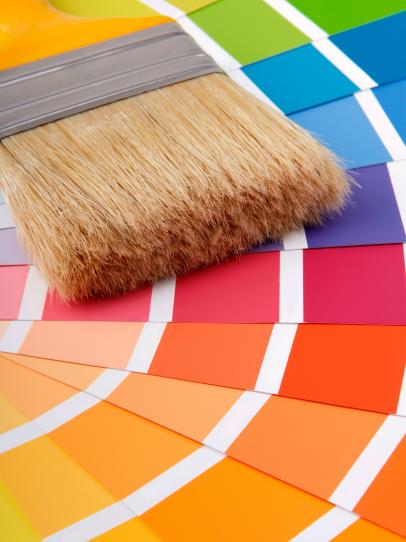

Cheap way to give an old room a breath of fresh air or to make your house more sellable if you are putting it on the market. Find out all you have ever wanted to know about selecting paint. 

Which paint should you choose?

Paint comes in a variety of sheens as well as in either oil or latex. Latex paint is the most commonly and preferred paint type to use because of its ease of clean up and long lasting durability. It also tends to be more fade resistant and breathes better than oil, resulting in less blistering of the paint. I recommend using a latex paint for most of your walls and household uses. However, oil based paint is great for priming real wood moldings and trim as it tends to seal stains and knots from the wood better than a latex paint wood. It does take longer to dry than a latex paint though, so plan for more drying time. I personally use an oil based shellac primer on my trim and then opt for a latex paint as the top coat. There are a variety of brands on the market, but my top preference is Behr paint.

Which sheen should I select?

The glossier the paint, the easier it is to clean up. If you have small children and the room you are painting has high traffic, like in a playroom, or tends to get grease on the wall such as in a kitchen, opt for high gloss sheen as you can easily wipe the wall down with a damp sponge. This will however make blemishes and imperfections in your wall more apparent and in rooms such as living rooms, could give off an unpleasant shine. High gloss is also great for trim and will give the trim a nice finished look, complementing the flatter sheen of your walls.
Semi-gloss would also be a good choice for kitchens and baths as well as trim providing you with ease of wash-ability and less shine than the gloss. It is also slightly cheaper than the gloss finish and is a very common alternative. Satin sheens have a satiny smooth finish to them and could also be used in kitchens, baths and hallways. This may be a good choice if you really want some gloss and paint that can clean easily without the shine of a gloss.
If you have walls with lots of imperfections, select a flat or matte paint. You can usually get away with one coat of paint with a flat. The downside to this paint is that it does not stand up well to a good cleaning and does tend to show dirt more so choose this for rooms that will not get lots of fingerprints and dirt on them. Probably the most popular sheen is eggshell, which hides imperfections like a flat does but is easier to wash, so more durable and smoother to the touch. I recommend this for most rooms as it seems to have the best of both the flat and glossy worlds.

Which color should I choose?

If you are in the process of selling your house, I recommend selecting a white or off-white color as the choice for walls. This will allow the buyer to easily cover the wall with their choice of color and will give your rooms a brighter and clean appearance. However, you should take full advantage of the hundreds of paint selections and brochures at your local paint store as well as talk to a salesperson about the various color schemes for the look you want. You can change the feel of any room in your house with a little planning and some color, varying the shades for a certain look or feel.
A good rule of thumb is to remember the color wheel. We all learned about the primary colors in school - red, yellow and blue. These are on the color wheel at 12:00, 4:00 and 8:00 respectively. Combining any of these will give you a secondary color (i.e. purple, orange). Colors near each other on the color wheel such as blue and purple are analogous to each other and will allow one color to stand out more. Colors opposite each other on the color wheel such as green and red are complementary to one another and will nicely play off each other. Staying within the same shade of color (i.e. greens) will give you a subtle and soothing look. Painting with cool colors such as blues, greens and purples makes small rooms appear larger and more airy while colors such as reds, yellows and oranges will give a room a more vibrant appearance. You can vary the warmth even with a red or yellow by choosing muted shades of those colors such as pink, peach or a buttery yellow. Warm colors have cool ones as their complementary colors while cool colors have warm complements. Shades are either pure or vibrant, muted (which are less intense than their vibrant counterparts) or shaded (the darker colors in the same color scheme). 

I want a subtle and soothing look:

You can choose to stay within the same shade and use a monochromatic approach such as select a variety of shades of blue for subtle color that tends to be soothing. This tends to look good in a bathroom or a bedroom if you want the feeling of calmness. Just choose your favorite color and overlap the shades. For example, select a darker color for the wall and then another in the same color scheme but different shade and slightly lighter for the trim. Your curtains, towels or bedding as well as accessories such as candles can be varying shades within the same scheme. You can also layer the colors by selecting a lighter green as the basecoat and then do a faux paint with a darker green overlay.
Light color choices such as blues, lavenders, pinks and soft yellows are great choices for a romantic feeling of tranquility and restfulness in a room. If you are looking for a calm ambience in your bedroom, choose lighter shades of either cool or warm colors. Use different textures in your bedding and accessories to make the room even more appealing. Don’t hold to the old rule of one shade and one texture. You will be pleasantly surprised at the effects just changing textures and colors can have on a room.
 Colors such as sage can turn a kitchen quickly into one of comfort and shades of buttery yellows in a kitchen will lend to that feeling baked goodies brings. Shades of powdery blue also tend to yield feelings of tranquility.

I want an elegant look:

Neutral colors offer elegance and flexibility within a room. Neutral colors are no longer simply white or beige. You can turn a simple living room into one of elegance by selecting varying shades of neutral colors such as almond walls with red toned browns on the trim. You can also add splashes of color throughout the room with a color throw, pillow or vase carefully placed to offset the subtle neutral tones in the room. Again, don’t be afraid to add texture to your accessories. Neutral colors allow you more flexibility in quickly changing the feel to a room. You can easily change the feel of a neutral room by adding different colored accessories or painting the trim a new color. You can choose either lighter or deeper neutral colors and vary the look of the room. Remember, the lighter color you go, the more spacious the room will appear. Varying shades of rust, mahogany or garnet will offer instant elegance and a feeling of earthiness and richness.

 I want a vibrant look:

If you want a room with pizzazz, choose vibrant colors and their respective shades such as oranges and gold, reds and dark purples. You can complement these colors by selecting a two next to each other such as gold and orange and one from the opposite side of the color wheel such as purple. You can also select black and red for a real stand out contrast and look that is reminiscent of an Oriental look. Choose two colors next to each other on the color wheel for a visual contrast as one will stand out from the other.

Ceilings:

You can lower a high ceiling visually by painting it a darker shade than the walls. By the same token, you can expand a room by selecting a lighter color for your ceiling than the walls. Don’t be afraid to add a tint of color to your ceiling paint for a tied in and subtle look. One way to go if you are afraid of too much color in your ceiling is to paint the ceiling, door trim and floor moldings the same shade such as a creamy ivory. This will add a touch of elegance and a nice transition throughout your room.

Creating Focal Points:

Think focal point when you are painting a room. You can quickly change the look of any room by adding contrasting colors to the walls and trim or by adding a darker color to one particular wall. You can make a large room look smaller by painting one wall a darker shade. You can also visually expand a room by painting the walls a darker color and the trim a lighter shade within the same color scheme, especially if you have a room with detailed trim on the walls. This easy change will make the room pop out more visually and add definite appeal. If you have a room with molding halfway between the ceiling and floor, use two different shades of the same color for a wonderful visual contrast. Highlight any interesting aspect in your rooms with a darker, complementary shade to the one you have chosen for your walls. Visible stairways, especially those in the middle of the room look incredible when painted a darker shade than the walls and gives you a wonderful focal point.
You do not have to spend a lot of money on an interior designer to redo the look of your house. With a little paint and a lot of imagination, you can easily change the look and feel of a room. Look for highlights of your rooms and think of ways to make them stand out. Think of how you want to feel when you are inside that room. Do you want to feel romantic and calm? Choose a light warm or cool shade. Or do you want to feel homey and comforted? Select buttery yellows such as for your kitchen. Do you want a feel of calmness and balance? Select shades of green that are light or moss or sage colored. Do you want to feel energized and express your vibrant personality? Choose vibrant shades. Do you want an air of elegance and serenity to a room? Select neutral shades or cool light greens. The point is, you can quickly feel the way you want with a can of paint or two, a paint brush and a little imagination. 

Content provided by Associated Content from Yahoo!

Thursday, April 7, 2011

Home Carpet Cleaners - How to Use a Steam Cleaner to Clean Your Carpets


Using home carpet cleaners can help keep you keep the carpet in your house looking new and clean. The process of using carpet cleaners is quite simple. Most cleaners use either steam or hot water to do this. Water goes through the machine and gets mixed with water. The water and detergent mixture is sprayed on the carpet and scrubbed in.

The cleaning solution will penetrate the carpet fibers all the way to the backing. The penetration and scrubbing will loosen up the soil, dirt, oil, grease, and other things that are trapped in the carpet fibers. This gets your carpet cleaner than it has probably ever been.

Some models of home carpet cleaners are mounted on the trucks. These are used by professional crews. They are designed to be used by only taking the spraying wand and the hose inside. The advantage of these kinds of cleaners is that they are very powerful. The motor they use to power the cleaners and vacuum. They can be powered by gas, propane, even the truck engine.

This method of cleaning is recommend by most carpet manufacturers and professional cleaners. This process is the best way to get your carpets sparkling clean. The problem with using professional cleaners is that they are expensive and you have to schedule them. These guys come out and clean your whole house. This is not a good way to go if you just need one room cleaned or if you just need a small stain to remove.

Luckily for us, there are smaller models available. The most common one is a Rug Doctor. These are the steam cleaners that are available for rent at the local pharmacy or grocery store. These smaller units are great when you only need to clean one room or just need to remove a small stain. There are also smaller models that you can buy. This is great because you will always have you cleaner available. You can quickly power it up to clean up any small spills.

One of the biggest challenges people are going to face when using home carpet cleaners is getting too much water on the ground. Getting too much water on the carpet can really increase the drying time. Just imagine how long it could take if water gets pooled up under the carpet. Of course, the only way to really avoid this problem is with experience. The old saying "practice makes perfect" comes to mind. After using a carpet cleaner a few times, you will get better at knowing how fast to go to avoid getting the floor too wet.

With that in mind, here are some steps that you need to take in order to get your carpets clean. These are the procedures you need to follow:


1.You need to make sure you have hot water, pre-rinse, and cleaning solution.
2.Move any furniture out of the way so you can clean easily.
3.Vacuum the carpet thoroughly. If you carpet is thick you might need to use a brush to loosen up the dirt.
4.Apply a good amount of pre-rinse on the carpet.
5.Using a grooming tool, work the spray into the carpet fibers and let it sit for about 10 minutes.
6.Use the carpet cleaner and go over the carpet applying the water and cleaning solution.
7.Go back over the carpet on the rinse cycle and vacuum out all the dirty water.
8.If needed repeat all the above steps until your carpet is clean.
9.Let the carpet dry and then replace all of your furniture.

Follow these steps and you will be able to enjoy really clean carpet for many years. These same steps apply if you rent or buy a home carpet cleaner. Purchasing a machine to clean your carpets will allow you to clean your carpets any time you like.


Article Source: http://EzineArticles.com/6146772

Tuesday, June 30, 2009

Picking The Right Paint For Your Bedroom


Painting Your Bedroom is an inexpensive way to get a whole new look, however some people find it to be an overwhelming task to choose a color or type of paint. Many simply stare at the thousands of color swatches in the store and then walk away confused without ever picking out a color!

If you want to paint your bedroom, the first step is to select a range of colors or color theme. That way, when you go into the store you can narrow down your selection of color swatches to those in that general color shade.

If you want your bedroom to evoke a certain mood, some colors have shown to be better at evoking certain emotions or moods. Calming colors are soft colors - blues, greens, and lavenders in a muted shade. Anything too vivid or bright will not be calming. If you are decorating to have a calming effect these colors go quite well together. You could punch it up a bit with some brighter accents in the same colors but with a different tone. I like a sage green for the walls with some light sky blues and lavenders sprinkled around the rooms Bedding, wall coverings and flooring can be a solid color to keep the calm mood going. Accent with candles and perhaps a table top waterfall.

On the other hand, you might want to paint your bedroom so that it energizes. Maybe you want to wake up in the morning ready to go! Then you might want to try bright colors like reds and yellows with maybe a bit of orange thrown in. I love the look of deep red walls even if it may take several coats to cover! Yellow and orange make a nice color combination - maybe a bit 70's so you could do a nice retro design with these colors. Tone it down a bit by using brown as an accent. Of course, you can always use red with black and white for a classically contemporary look. And there’s always a white room (bedding, walls, and floors) with bright red, yellow, blue and orange accents for a mid century feel that will liven up the place.

For a more elegant type of bedroom, you may opt for tans of off whites. These can match very well with some darker, rich colors like maroon, gold, or even black. Use some deep jewel tones to create a romantic but calming feeling. Gray and brown can be a nice modern color palette – use deep colors not light and you will be surprised how this can give the room a cozy feel that is a bit more modern.

Another choice you may have to make is if you want to use traditional paints or get an effect on your walls with special effect paints. You can add texture to your walls with paints that have texture build in, or use special paint to get the look of marble or old world plaster.
Some of these use solvent based glazes and others have specially made paint just for that particular look you want. A trip to your local Home Depot will find these paints as well as free classes on how to apply them.

Friday, June 26, 2009

Tips on Choosing the Right Paint Color for the Master Bedroom

Choosing paint can be frustrating and confusing, plus small paint color samples on tiny cards do not provide enough of a sample to really see what the end results will look like on master bedroom walls. The painter must have a vivid imagination and be able to envision that one-inch square completely covering the walls and what looks good on a tiny square might not look nearly as wonderful on master bedroom walls.

People are often disappointed when master bedroom walls are covered in a hue that is too bright or too dark, and they regret the time and money spent on the job. Worst of all, unless they do not mind repainting, and possibly priming shortly after the paint dries, they are stuck indefinitely with a paint color they really do not like. The paint color in a master bedroom is important, and the following tips and advice will help you choose just the right hue for the room. Paint is definitely the least expensive way to make the greatest impact, and that impact should be a positive one.


Size Consideration

A small room will look smaller than ever if painted in a darker shade. When considering paint for a small master bedroom, choose light colors. This is the least inexpensive way to add the illusion of square footage without remodeling.

In addition, the color of the ceiling is also an important consideration when choosing paint. Choose white to add the illusion of height to the room, and paint the ceiling the same light color as the walls to expand the look of the entire space. Color has the power to completely transform a room, and unless the room is already large, go with crisp light colors that will give the room an open and airy feel.


Mood Matters

The master bedroom is a haven for relaxation and a place to unwind. The color of the walls should promote rest and create serene ambience, this is why it is important to choose the right paint color to set the mood of the master bedroom.

Cool light colors such as blue, green, lavender, or creamy neutral hues are ideal for master bedroom walls, and the options are virtually endless. When shopping for paint for the master bedroom you will find hundreds of cool color options, and many paint stores will match specific colors when a sample is provided.


Awkward Angles

Many people wonder what paint color to choose for a master bedroom with awkward angles, but the same applies for a bedroom with a more interesting perspective as a basic bedroom that is square or rectangular in shape. No matter what color you choose, the light will play on the colors and change the way they are viewed, but this is a definite plus. Corners will appear darker at times, and walls that vary in shade depending upon lighting will add interest and definite appeal to the room.


Add More Color with Accent Pieces

If lighter hues are not your style but you do not want to go too bold with wall paint colors, choose colorful accent pieces for the master bedroom. Add drama to the space with color-coordinating throw pillows, bedding, and eye-grabbing wall décor. Unlike paint, accent pieces can be changed with little effort if they do not meet expectations. They will add vibrancy and color to the room without too much commitment. If the colors of accent pieces are too energetic or heavy, they can easily be replaced with something more suitable.


Try It First

Instead of taking a chance with a color you are not sure about, do not try and make a decision using tiny paint chip samples. Choose a high-quality brand that offers small bottles of color to sample, or invest in a single quart of a chosen paint color.

Paint a piece of poster board instead of the wall, and after the paint has dried, place the extra-large sample on the wall in many different positions. Place the color next to flooring, next to window treatments, and next to master bedroom furnishings, and stand back to get a more realistic idea of how it will look on walls. This is one of the best ways to make sure you will be happy with the results, and although it will take a little time and a small investment, you will end up with the right color to complete the haven for relaxation that you have always wanted.

Jessica Ackerman is a senior staff writer for Wall Decor and Home Accents, and she has extensive experience in interior design. Jessica specializes in decorating vertical spaces with wall sconces, wall hangings, mirrors, and wall wine racks.

Saturday, March 14, 2009

5 lessons for mixing colour and pattern

A graceful combination of pattern, texture and colour can add dimension to your home.

1 Give a beautiful print even more significance by doing a whole room in it, from the walls to the upholstery. This technique can work wonderfully in a child's room, where you can hand-paint items like drawer knobs or bedposts to coordinate with the pattern, and decorate furnishings with wallpaper details.

2 It's easy to add interest to a neutral room using pattern. The trick to maintaining a restful decor is to make sure that you keep your palette neutral and use just a few simple patterns balanced with one or two solid fabrics.

3 Make a bold statement in a room by upholstering furnishings in colourful solids. This is also an effective way to show off their nice curves and lines. For an elegant look, choose two complementary colours and play with textured fabrics like velvet, faux suede and leather, and introduce pattern with small accessories. Keep the backdrop of the room neutral so the furnishings command attention.

4 A small space like a hallway is a wonderful place to experiment with pattern. And you don't need to do much, either: hang a wallpaper in a classic pattern like a stripe or lay a simple, colourful floor tile underfoot.

5 Layering is key to successfully mixing patterns and colours. Limit yourself to three or four patterns with one colour tying them together. For example, if you pick a predominantly red pattern for a chair or sofa, make sure to incorporate red as an accent in the other patterns or solids on drapes, throw cushions, a rug or even artwork in a room

Tuesday, January 27, 2009

Design lesson: Playing with pattern

How to use pattern in a small space without being overwhelmed.

Drapery, cushions, upholstery and bedding -- we surround ourselves with fabric. It's how we soften the hard edges of the world. Although the textures and patterns you choose depend on personal taste, awareness of their impact allows you to make selections that will contribute to overall harmony. That's especially important in small spaces, where an abundance of pattern contributes to visual clutter. So, consider these strategies for incorporating pattern into your home.

How to choose pattern
Living room
To allow for visual breathing room, it's best to use simple designs and combine them with solid fabrics. Robust patterns can be distracting, shifting attention from focal points, and creating a confusing backdrop for works of art.

Dining room
Frequently more dramatic than other public rooms, this room is used mostly in the evening. For that reason, it's perfectly warranted to choose bolder patterns. In addition, patterned upholstery and carpets are highly practical.

Kitchen
In the kitchen, where most of the available wall space is devoted to cabinetry, pattern can be a welcome relief. A pictorial wallpaper or scenic drapery fabric can create interest and set the tone for other decorating in the room.

Bedroom
The pattern you pick is dictated by the mood you want to create. If the bedroom is used only at nighttime, consider a minimum of pattern in a restful palette. For those who use the room during the day, a more adventurous mix of pattern may appeal.

Powder room
The powder room provides a real opportunity to enjoy high-impact pattern, as it's a transitional space used for short periods of time. Choose a scenic or geometric design, classic floral or large abstract pattern, and use it abundantly.

Dos and don'ts
DO evaluate the scale of furniture before choosing a pattern for upholstery. A dining room chair seat can't handle a large pattern. In contrast, a three-seater sofa doesn't suit a tiny motif.

DO review the existing patterns in the room's background. For example, a herringbone floor adds energy, while a coffered ceiling brings order to a space. The crisp, heavy lines of shutters contrast with the minigrid of a mosaic backsplash. These architectural cues may influence the selection of other patterns.

DO combine patterns that share a similar feeling or expression. For example, an exotic paisley blends easily with florals or stripes if they have an exotic feel as well. Formal damask works with shimmering silk, but may clash with rugged leather.

DO use vertical stripes, like those provided by floor-to-ceiling wallpaper or drapes, to emphasize the height of a room. To accentuate a room's width, opt for horizontal stripes, using wallpaper or artwork hung in a row as a frieze.

DON'T ignore the rug, since it's one of the most influential patterns in any room. Because it's a major purchase, many designers begin with it when building a design scheme.

DON'T use more than one large-scale design in a small interior, as it can overwhelm. However, you can use several small or medium patterns if they are varied in scale. Layering patterns lends a sense of depth, vital to a small room.

DON'T overdo vivid pattern in small spaces. Remember, a fabric with pattern has more visual weight than a solid one.To include a variety of patterns, stick to a colour palette with tone-on-tone or two-tone fabrics.

Wednesday, November 12, 2008

Exterior or Interior Wooden Door for Your Stylish Home

How many times would you take a second look when passing by a beautiful house? It’s not conventional to glance the second time around but beautiful houses are like beauties that deserve a second look. Similarly, a house with beautiful and stylish exterior or interior wooden doors makes you want to knock and visit the house right? Wooden doors are good attractions for many passerby and visitors. In fact, if your main entrance is a wooden door, you can tell how pleased your visitors are when they arrive in your porch and just imagine their fascination when they know on to that beautiful main entrance wooden door!


While these days, people who use metallic doors are increasing in numbers, the benefits of using the wooden doors are by par more practical and easy. That said, it’s important for you to be fully aware of your options prior to using wooden door against metallic doors:


Wooden doors and the specific making
From color to texture, the main wooden doors or entrance needs to be carefully considered. Understanding the basic type of wood would help you determine if you will be needing mahogany, maple, pine, hickory, red oak, walnut or white oak. Your understanding of what type of wooden door you’d like and how this door is made out will help you pick the best exterior, interior even your front or main door. Choosing the best type of materials used for your door is as good as keeping your wooden door for a longer period of time.

Wooden door and its style
Will you needing a wooden door with enhanced security features? Or you prfer a wooden door with a mix of metals? While you can request for combination for any customized wooden door making, it’s important for you to reconsider this option so you won’t compromise the making of the wooden door or destroy it good outlook. The need to carefully maintain it regardless of time and season will help your wooden doors last.

Ask the expert and get the delivery confirmation
If you ordered the wooden door someone else or from a manufacturer, make sure that the manufacturer’s service crew is with you when you remove and reinstall the door during that time. Understand that installing a wooden door requires the expertise of a trained crew so never attempt to do it yourself. Of course, when you place your order for the wooden door, even online or when you visit a physical store, you must be certain when the delivery would occur.

Time and expenses
Typical wooden door s may not be really that costly but if you are to enhance the wooden door with some security features, you will need to reconsider your budget. Also the type of materials used for the wooden doors matter a lot too. So to save money, make sure to scout for good wooden door especially that of your entrance. Accentuate the entrance wooden door with some accessories to add style and beauty to your front entrance.


Choosing the best wooden door for your home would enhance the style for your residence. In terms of cost and maintenance, wooden doors are easy to keep and maintain so rest assured that you will not experience much worries.


Thursday, May 15, 2008

Texture and Pattern

Using Texture and Pattern To Make the Most out of You Color Selection

Texture - this is the visual or tactile surface characteristic of something, be it fabric, timber carpet or glass. Tactile means that it is perceptible by the sense of touch. Every surface has a texture.

There are two types of texture – rough and smooth – and through using texture, we can create quite different effects.


Rough textures – linoleum flooring, molded textured glass, timber look textured wall covering, plaster look handmade wallpaper, worsted wool patterned fabric, rough sawn timber boarding, brick, boucle wool blend upholstery fabric, wool carpets, perforated slim line blind, tread plate vinyl flooring, non-slip floor tile.

The hard smooth shiny textures tend to look cold to the eye and to the touch; the rough thick surfaces have a warm look and touch.

Some examples of rough textures are – brick, timber, wicker work, carpets, coir and sisal, suede, linen, furs – these elements create a rustic natural homely feeling.


Some examples of smooth are glass (not patterned) chrome, plastic, lacquer paint finish, Vinyl upholstery, High Gloss paint finish, chintz fabric – these elements suggest a harder crisper formality to a room.

Smooth textures – black granite, paint finish, leather, prefinished hardboard, chrome tap, aluminum blind, glass tile, polished aluminum tile, polished brass tile, modern clock, 100% silk, stainless steel with checker design, gloss granite laminate, prefinished board, polished copper tile, 100% plush wool carpet, prefinished melamine board, red fabric – polyester & polyurethane composition.

The ceramic tile floor, stainless steel balustrade and handrail, painted walls all create hard surfaces.

They are juxtaposed with soft surfaces – carpet on the stair treads and a floral display, balancing the space.


It is important to balance color with texture and pattern to provide a harmonious environment. Combining rough and smooth textures and using these to contrast with each other creates balance.

Obviously there are times when a smooth shiny look for example is the desired end result. Burger King / Hungry Jacks restaurants have red vinyl seats, black and white chequered glossy tiles and trim, white shiny prefinished wall panels which creates the effect required “a clean crisp fast food restaurant” but these items alone create a very sterile atmosphere for its patrons.


They have not forgotten the requirement of balance and have managed to use pattern in the form of mass coverage of the walls in “50’s period prints” to achieve a more inviting and harmonious dining space.

Comfort is an effect which can be created by clever choices in soft textures, using soft fabrics like velvet or cotton on sofas, rugs over hard flooring and by scattering cushions and throws over chairs.


Juxtaposing hard and soft accessories creates balance. A stone sculpture with a green leafy fern beside it, a cane coffee table with a glass vase of fresh flowers, or an antique copper etching over a brick fireplace.

When using texture you have to be very aware of the absorption/reflection of light altering the quality of color. Smooth textured surfaces reflect light and rough textured surfaces tend to absorb it. The planning of lighting is always important but especially when using texture as too bright a direct light will flatten out texture and cast little shadow, losing the surface definition. A more indirect lighting scheme will emphasize even subtle textures, and is far more effective.

Size, scale and proportion should be taken into consideration with pattern. You can generally get away with using small patterns on large pieces of furniture, but the same cannot be said for the reverse.


Large patterns on small items of furniture can weigh them down and look too overpowering and dominant as well as out of proportion.

A small pattern or texture is generally a better choice. It is often wise to use two or three different pattern sizes, small medium and large, and relate these back to the items that you will be using them for in the room. I.e. a large floral pattern on the sofa, with small floral print cushions, medium width striped walls with a medium floral for drapes and a small stripe for the footstool.

While making these selections we must also remember that pattern will make a room look smaller no matter what size pattern or color way you use.

Don’t panic, remember there are no hard and fast rules with pattern, you can use geometrics with florals, textures and stripes, it is all a matter of balancing the weight of the patterns to the items they will be covering and the overall look that you are trying to achieve.


You can make a single patterned item be the focal point of a room that has no special architectural features to highlight, i.e. by using a monochromatic textural scheme of creams, using linens, leathers, rattan chairs, suede walls, simply place a woven woolen rug of geometric design using beiges, creams and a huge dollop of red in the central square in the center of the room with the furniture surrounding it to create a feature/focal point of the room to great effect.

The grouping of pictures on this wall creates pattern and a focal point in a large space with many smooth textured surfaces. Note how the Oriental rug adds pattern to the floor and introduces other colors and textures to soften and compliment the overall scheme.