Showing posts with label home improvement. Show all posts

Saturday, July 28, 2018

How To Select the Right Paint and Color For Your Home

Find all you need to know about selecting the right paint and color for your home.
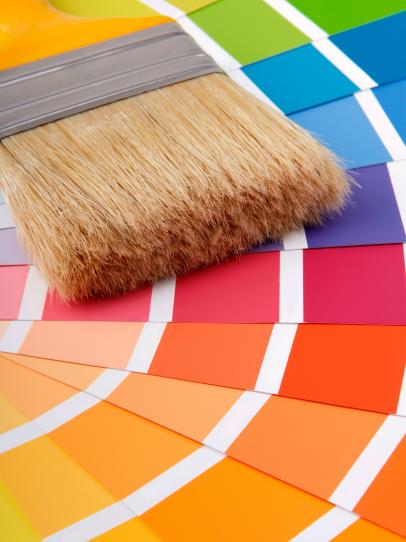

Cheap way to give an old room a breath of fresh air or to make your house more sellable if you are putting it on the market. Find out all you have ever wanted to know about selecting paint. 

Which paint should you choose?

Paint comes in a variety of sheens as well as in either oil or latex. Latex paint is the most commonly and preferred paint type to use because of its ease of clean up and long lasting durability. It also tends to be more fade resistant and breathes better than oil, resulting in less blistering of the paint. I recommend using a latex paint for most of your walls and household uses. However, oil based paint is great for priming real wood moldings and trim as it tends to seal stains and knots from the wood better than a latex paint wood. It does take longer to dry than a latex paint though, so plan for more drying time. I personally use an oil based shellac primer on my trim and then opt for a latex paint as the top coat. There are a variety of brands on the market, but my top preference is Behr paint.

Which sheen should I select?

The glossier the paint, the easier it is to clean up. If you have small children and the room you are painting has high traffic, like in a playroom, or tends to get grease on the wall such as in a kitchen, opt for high gloss sheen as you can easily wipe the wall down with a damp sponge. This will however make blemishes and imperfections in your wall more apparent and in rooms such as living rooms, could give off an unpleasant shine. High gloss is also great for trim and will give the trim a nice finished look, complementing the flatter sheen of your walls.
Semi-gloss would also be a good choice for kitchens and baths as well as trim providing you with ease of wash-ability and less shine than the gloss. It is also slightly cheaper than the gloss finish and is a very common alternative. Satin sheens have a satiny smooth finish to them and could also be used in kitchens, baths and hallways. This may be a good choice if you really want some gloss and paint that can clean easily without the shine of a gloss.
If you have walls with lots of imperfections, select a flat or matte paint. You can usually get away with one coat of paint with a flat. The downside to this paint is that it does not stand up well to a good cleaning and does tend to show dirt more so choose this for rooms that will not get lots of fingerprints and dirt on them. Probably the most popular sheen is eggshell, which hides imperfections like a flat does but is easier to wash, so more durable and smoother to the touch. I recommend this for most rooms as it seems to have the best of both the flat and glossy worlds.

Which color should I choose?

If you are in the process of selling your house, I recommend selecting a white or off-white color as the choice for walls. This will allow the buyer to easily cover the wall with their choice of color and will give your rooms a brighter and clean appearance. However, you should take full advantage of the hundreds of paint selections and brochures at your local paint store as well as talk to a salesperson about the various color schemes for the look you want. You can change the feel of any room in your house with a little planning and some color, varying the shades for a certain look or feel.
A good rule of thumb is to remember the color wheel. We all learned about the primary colors in school - red, yellow and blue. These are on the color wheel at 12:00, 4:00 and 8:00 respectively. Combining any of these will give you a secondary color (i.e. purple, orange). Colors near each other on the color wheel such as blue and purple are analogous to each other and will allow one color to stand out more. Colors opposite each other on the color wheel such as green and red are complementary to one another and will nicely play off each other. Staying within the same shade of color (i.e. greens) will give you a subtle and soothing look. Painting with cool colors such as blues, greens and purples makes small rooms appear larger and more airy while colors such as reds, yellows and oranges will give a room a more vibrant appearance. You can vary the warmth even with a red or yellow by choosing muted shades of those colors such as pink, peach or a buttery yellow. Warm colors have cool ones as their complementary colors while cool colors have warm complements. Shades are either pure or vibrant, muted (which are less intense than their vibrant counterparts) or shaded (the darker colors in the same color scheme). 

I want a subtle and soothing look:

You can choose to stay within the same shade and use a monochromatic approach such as select a variety of shades of blue for subtle color that tends to be soothing. This tends to look good in a bathroom or a bedroom if you want the feeling of calmness. Just choose your favorite color and overlap the shades. For example, select a darker color for the wall and then another in the same color scheme but different shade and slightly lighter for the trim. Your curtains, towels or bedding as well as accessories such as candles can be varying shades within the same scheme. You can also layer the colors by selecting a lighter green as the basecoat and then do a faux paint with a darker green overlay.
Light color choices such as blues, lavenders, pinks and soft yellows are great choices for a romantic feeling of tranquility and restfulness in a room. If you are looking for a calm ambience in your bedroom, choose lighter shades of either cool or warm colors. Use different textures in your bedding and accessories to make the room even more appealing. Don’t hold to the old rule of one shade and one texture. You will be pleasantly surprised at the effects just changing textures and colors can have on a room.
 Colors such as sage can turn a kitchen quickly into one of comfort and shades of buttery yellows in a kitchen will lend to that feeling baked goodies brings. Shades of powdery blue also tend to yield feelings of tranquility.

I want an elegant look:

Neutral colors offer elegance and flexibility within a room. Neutral colors are no longer simply white or beige. You can turn a simple living room into one of elegance by selecting varying shades of neutral colors such as almond walls with red toned browns on the trim. You can also add splashes of color throughout the room with a color throw, pillow or vase carefully placed to offset the subtle neutral tones in the room. Again, don’t be afraid to add texture to your accessories. Neutral colors allow you more flexibility in quickly changing the feel to a room. You can easily change the feel of a neutral room by adding different colored accessories or painting the trim a new color. You can choose either lighter or deeper neutral colors and vary the look of the room. Remember, the lighter color you go, the more spacious the room will appear. Varying shades of rust, mahogany or garnet will offer instant elegance and a feeling of earthiness and richness.

 I want a vibrant look:

If you want a room with pizzazz, choose vibrant colors and their respective shades such as oranges and gold, reds and dark purples. You can complement these colors by selecting a two next to each other such as gold and orange and one from the opposite side of the color wheel such as purple. You can also select black and red for a real stand out contrast and look that is reminiscent of an Oriental look. Choose two colors next to each other on the color wheel for a visual contrast as one will stand out from the other.

Ceilings:

You can lower a high ceiling visually by painting it a darker shade than the walls. By the same token, you can expand a room by selecting a lighter color for your ceiling than the walls. Don’t be afraid to add a tint of color to your ceiling paint for a tied in and subtle look. One way to go if you are afraid of too much color in your ceiling is to paint the ceiling, door trim and floor moldings the same shade such as a creamy ivory. This will add a touch of elegance and a nice transition throughout your room.

Creating Focal Points:

Think focal point when you are painting a room. You can quickly change the look of any room by adding contrasting colors to the walls and trim or by adding a darker color to one particular wall. You can make a large room look smaller by painting one wall a darker shade. You can also visually expand a room by painting the walls a darker color and the trim a lighter shade within the same color scheme, especially if you have a room with detailed trim on the walls. This easy change will make the room pop out more visually and add definite appeal. If you have a room with molding halfway between the ceiling and floor, use two different shades of the same color for a wonderful visual contrast. Highlight any interesting aspect in your rooms with a darker, complementary shade to the one you have chosen for your walls. Visible stairways, especially those in the middle of the room look incredible when painted a darker shade than the walls and gives you a wonderful focal point.
You do not have to spend a lot of money on an interior designer to redo the look of your house. With a little paint and a lot of imagination, you can easily change the look and feel of a room. Look for highlights of your rooms and think of ways to make them stand out. Think of how you want to feel when you are inside that room. Do you want to feel romantic and calm? Choose a light warm or cool shade. Or do you want to feel homey and comforted? Select buttery yellows such as for your kitchen. Do you want a feel of calmness and balance? Select shades of green that are light or moss or sage colored. Do you want to feel energized and express your vibrant personality? Choose vibrant shades. Do you want an air of elegance and serenity to a room? Select neutral shades or cool light greens. The point is, you can quickly feel the way you want with a can of paint or two, a paint brush and a little imagination. 

Content provided by Associated Content from Yahoo!

Saturday, July 14, 2012

How To Choose The Right Colors for Home.

How to Choose a Color Scheme

Discover your color preferences with eight tips for picking perfect color palettes.
 Pick a color, any color.
If only choosing a color palette for your interiors was that easy. It can be, thanks to designer Mark McCauley. The author of Color Therapy at Home: Real Life Solutions for Adding Color to Your Life, he offers eight tips to help you discover your color preferences and take on white walls.
Tip #1. Choose a color scheme from the largest pattern in the space.
If you've got patterned upholstery, an Oriental rug or large piece of artwork, pluck colors you like from the pattern. For a neutral wall paint color, look to the pattern's whites and beiges.
Tip #2. Start with the formal areas of the house.
Specifically, the living room, dining room and entry way. Choose a color scheme for those areas first, then pull one color from the scheme. For example, take the red sofa and tone it down (say, to burgundy) for an accent in more private spaces such as the den, office or bedroom.
Tip #3. Decorate your space from dark to light, vertically.
A real "cookbook" way to make any space look good without much risk, McCauley says, is to use darker color values for the floor, medium color values for the walls and light values for the ceiling.
"Any interior space replicates the outside world," he says. "The exterior environment is generally darker below our feet (the earth itself), medium-valued as you look straight ahead (buildings/trees) and lighter values skyward."
Tip #4. Study the color of your clothes.
Most people buy clothes in colors they like to wear and think they look good in. Similarly, you should decorate your rooms in colors you look good in. "If you don't wear yellow, don't get a yellow sofa," McCauley says. "You're going to look sickly on it."
 Tip #5. Use the color wheel.
In general, analogous color schemes — colors next to each other on the color wheel, such as blue and green — are more casual and relaxing, and work best in informal or private spaces. This is a good strategy for a bedroom, where you want to rest and recover.
Whatever color scheme you choose, McCauley advises to put something black in every room. "The black clarifies all the rest of the colors in the room," he says. Try a black lampshade, a black vase or a black picture frame.
Tip #6. Use the rule of 60-30-10.
"When decorating a space, divide the colors in the space into components of 60 percent of a dominant color, 30 percent of a secondary color and 10 percent of an accent color," McCauley says. The walls will most likely be the majority, the upholstery would represent the secondary color and accessories such as a floral arrangement or throw pillows would make up the rest. "Works every time!" he says. "The colors are properly balanced and there is a shot of color (the 10 percent color) for interest."
 Tip #7. Go with the architecture.
If you have a small room in your house, don't paint it white to make it seem bigger. Instead, cozy up to its architecture with a rich, warm color scheme. Let your big rooms expand with light, and your small rooms wrap you up and nurture you.
Tip #8. Follow your personal style.
If you decorate honestly, other people will appreciate it because it's you, even if they'd never decorate their own house in the same way. That means if you want to make every room in your house red, white and blue, go for it. You can make any color look good as long as it's your taste.


Friday, December 12, 2008

Don't move improve!!!

That ough to be the Mantra of shell-shocked home owner now.As prices of new home's keep climbing up and up (even as they shrink in size),it makes more sense-both financially and space -wise-to stay put in your old home .

But there's no need to put up with chipped floor tiles or a dark kitchen,or force growing kids to share a cramped toilet.A thoughtful renovation will renew your home's finishes and even add comfort to enhance your family's lifestyle.

While you're planning that renovation,Don't forget to think ahead.you may want to sell on in the future ,so use this opportunity to significantly increase your home's market value.Choose savvy renovations like an extra bathroom or a bright new kitchen rather than fixtures like trendy chandelier or high-end hi-fi system that will depreciate on date.

Tuesday, November 25, 2008

Brighten Your Living Room - How to Decorate Your Living Area

In your home, the living area is one of the busiest rooms. It's the room that an outsider gets to see and form a lasting impression about your home. Hence the living area should be well decorated, well-laid out and should appeal to guests and family members. It should project a homely, comfortable yet elegant image.

With a combination of imagination, good taste, statues and lamps any living area can be transformed into one that exudes elegance and coziness at the same time. There are several ways you can decorate your living area to catch the attention of the visitors and earn numerous compliments:

Rearranging Furniture

Your lifestyle or taste determines what the focal point of your living area is. If you have a fireplace, you can rearrange your furniture around it. Or if a piano is the focal point of your living area your furniture could be set around it. When rearranging your furniture, also consider traffic in your living area.

Colours to Create Warmth

Colours have psychological effects on people and their moods. When applied in your living area, colours can intimidate, invite or irritate. Decorating using colours is also an inexpensive way because it only involves painting or papering walls. You want your living area to be warm and inviting and you could experiment with green as it is one of the warmest and most relaxing colours.

Mirrors for Space & Depth

Create space and depth for your small living area by positioning a mirror on a wall. Your mirror should reflect something pleasing to the eyes. If you have more wall space, try adding small paintings on either side of the mirror.

Adding Small Furniture

To create a 'lived-in' aura for your living area, position small furniture in the room. This can be a small bench or a low sofa table. Place magazines, journals and newspapers under the table. Placing flower vases, baskets and small plants on your table also creates beauty and livens up the room.

Statues for Elegance

Corners and table tops are good places for small statues. Statues, especially marble ones, provide an aesthetic feel to your living area. The Greeks use marble for sculptures for its strength, durability. Statues of deities and laughing Buddha bring in positive energy. You could also experiment with themes.


Friday, October 10, 2008

Patio Furniture - Coordinating Cushions, Chairs, And Canopies

Patio furniture is often the 'afterthought' in a patio design. Ideally, however, your design plans should incorporate basic ideas about patio furniture. A well-coordinated look is possible only if the patio itself, the patio awning or canopy, and the patio furniture complement one another.

You have a diverse range of choices available. One of the most popular is cast aluminum patio furniture. As long as you steer clear of tubular framing, these furniture pieces are extremely functional on a patio. In spite of being fairly lightweight and easy to move about, solid cast aluminum chairs are sturdy enough to withstand the wind and weather to a large extent.

In contrast to wrought iron sets, cast aluminum patio furniture won't rust. It is preferable to buy furniture with welded joints. If bolts are used, they should be stainless steel or aluminum. A solidly crafted aluminum chair, that is powder coated, will withstand years of weather extremes, and family fun.

Just make sure that you follow the maintenance instructions to the letter, or you may find that you have voided your warranty! Usually all your aluminum patio furniture asks for, is to be spruced up with a bit of water, to which a gentle detergent has been added. This if often followed by a light coating of car wax as a sealant.

The Telescope Sling Collection is an example of aluminum patio furniture, with styles to suit any patio design.

Wood patio furniture is a popular choice, because of the warm atmosphere it creates. Western Red Cedar is frequently used, because of its well-known weatherproof properties. As the wood isn't prone to warping or cracking, it is highly usable outdoors.

Cedar is oil-rich, an important factor as far as wood preservation is concerned. It also has an inbuilt insect repellant! A Cedar set has a richness, which can be further enhanced with your choice of fabric for the patio furniture cushions.

Another category you may consider, is plastic and resin patio furniture, such as the Kettler Outdoor Furniture range. A wide variety of chairs, chaise lounge designs, and tables are available. Resin patio furniture is superbly suitable for outdoor use, because of its weather-resistant characteristics.

Resin has the ability to go with the flow, so to speak. It expands and contracts with changing weather conditions, and doesn't fade. The Kettler range of patio furniture use a double-injection molding process, which adds to its quality and explains why these pieces have such a long life.

If your patio design guides you to choose a Sunbrella Awning, you have the perfect partner for your patio furniture, as discussed at Awnings-and-Blinds.com. Sunbrella fabrics are well-tested for outdoor use. Creating a perfectly coordinated look is painless, with such a classy range to choose from.

Your patio furniture cushions, decked in Sunbrella's fashionable fabrics, will be unlikely to fade or stain. Your patio is there to add to your quality of life, and to facilitate effortless entertaining. Every aspect of it should therefore be easy to maintain. By choosing Sunbrella fabrics, you choose carefree patio living.

Your extra living 'room', has to be comfortable and relaxing. Your choice of patio furniture is important enough to justify careful deliberation!


Monday, June 30, 2008

Stylish Kitchen Cabinet Renovation Guide on a Budget

To update the carcass of existing kitchen cabinets, you only need to replace the countertop and the cabinet doors to refresh the look of your kitchen. Using low-cost materials like paint, zinc sheeting or wood-veneer, the cabinets can be transformed into designer-look pieces at cost-conscious budget. The key is to match the color and look to a theme. For example, old cabinet doors can be replaced with MDF doors which can be customized by spray-painting them in tones to complement the color scheme of the kitchen.


If you’ve got a bit more money to spare, you can go for trendy brushed steel doors and a stainless steel worktop to go with white or pale wood laminate cabinets. A darker wood tone can be matched with a white postformed laminate countertop and matching doors for a brighter, airier look.

For either wood color, using sleek metal handles add an edgy accent to the cabinets. The mix of steel with wood ensures that the kitchen looks contemporary but does not end up feeling too cold.

However, you can’t assume that the cabinet’s structure is still sound. Often, wooden structures that look pretty good from the outside can be rotting in areas you can’t see. This is especially true of kitchens which are perpetually damp; the humidity as well as frequency and the way which kitchens are cleaned (soap plus lots of water) affect the degree of dampness.


To confirm that you’ll be able to re-use the cabinet bodies, you need to get a reliable contractor/carpenter to check the back and the internal structure. To be thorough, you should remove whatever you have inside the bottom cabinets so that he can do a proper inspection. If they are all right you can update the interiors by fitting them out with the latest wire shelving and pull-out racks to make them more efficient and to improve ventilation inside.

Thursday, June 12, 2008

Home Decorating Kitchen Design Planning, Advice and Ideas

The kitchen is said to be the heart of the home or house. Its usually the first place we stop to sit down when we enter the house. It’s where we store our food and prepare our meals and often the kitchen is where we dine.


However its not just the food area of the house as its usually central to the traffic and living flow. Preschoolers will play there while the parent is using the kitchen, children will often do their homework there with the help of the parents while preparing an evening meal and if you have a party you can bet that’s where many of the partygoers will gravitate.


It’s an odd phenomenon but the kitchen is the heart of the home and that’s why this site explores all the areas and needs of the kitchen. All the activities and more are part of the kitchen's role and the themes are endless from contemporary to ultra modern to a traditional country kitchen.


The fantastic thing about modern kitchens is that they can look old or to any style and still be practical with the modern finishes and appliances available. Kitchen design is not a simple process but it is logical and using this site will enable you to answer many of the questions you have about kitchens and how to design and plan a kitchen.


The golden question is how do we go about putting a kitchen and the associated areas together, how do we make the choices from the hundreds of options available.

In this site you will find categories that cover all of the aspects of kitchen design including how to design.
They are as follows:

Planning a kitchen


The planning process


Appliances what they are the basics of how they work and some of the models available.


Plumbing fittings, the faucets, boiling units, dishwashing and garbage disposal.
Lighting, How to create mood in the kitchen, how to make sure the lighting is correct and efficient and how to make sure it’s attractive.


Flooring. The area that gets the most wear and tear and abuse every day, what are your options, timber, vinyl, stone, concrete, carpet, cork. There are a lot of possibilities but which?


Wall finishes. What looks great and is impervious to steam, grease, food spills and yet can be cleaned without staining or deteriorating. We look at a whole lot of options here from tiling to papers to laminates and special paints to mention a few.


Electrical requirements such as the amount of outlets needed for all the appliances that a modern kitchen requires, safety aspects, aesthetics, and planning the positions of these items.


Cabinetry, here is a very large subject. This section helps you choosing different finishes, planning the cabinets layout and why, drawers that have to go into them and where the hardware that goes on the cabinets from self closing hush drawers to handles and hinges.


Storage. This is an endless area with manufacturers coming up with new and innovative store solutions all the time. Here you can see what’s available.


Kitchens come in all shapes and sizes and we will show you how to get the most from the space that you have. We will find out the best ways to flow through your kitchen and make it a comfortable space to work in. So start looking for ideas right now!


Thursday, May 22, 2008

How To Care For Solid Hardwood Floors

Repair And Cleaning Tips

Living with Natural Hardwood Floors


Solid hardwood floors repay a little care with a lifetime of value. When you first glimpse a solid hardwood floor, you sense richness, warmth and natural beauty. Gradually, you get to know its distinct personality -- visual harmonies, the traces of history in the forest and in your home.
Take a closer look.

Appreciate the color and pattern of the floor's strips, planks or parquetry.

Read the grain: Is it bold-textured oak? Subdued maple or cherry?

Check the condition of the underlying wood and the finish that protects it. Are there signs of neglect to erase (it’s not difficult), or do you see a well-tended surface that needs just a light touch to maintain it?

Nature’s diversity lets you create dramatic looks with unique textures, colors, patterns and styles of solid hardwood flooring.

Protect Your Solid Investment

Solid hardwood floors are among the easiest to keep clean. Protect their warmth and character with simple, everyday cleaning techniques.
It’s important to know how to prevent damage to your solid hardwood floors.

Prevention

DIRT and GRIT : Dirt, grit and sand are your hardwood floor’s worst enemies.

They act like sandpaper on the finish, causing scratches, dents and dulling. Place floor mats at entrances to trap dirt and prevent damage.

WATER AND OTHER SPILLS : Standing water can warp a poorly finished hardwood floor and can damage the finish. Simply wipe up all spills as they happen.

HARD CLEANERS : Avoid oil soaps. They can build up and create problems when it’s time to put a maintenance coat on the floor. Instead, neutral pH cleaners made specifically for wood floors are recommended.

FURNITURE : Lift the furniture to move it --- avoid dragging. Felt contacts under the legs will help prevent scratches.

DENTS : Vacuum with a brush attachment -- don’t use vacuums with beater bars.

SUN : Direct sun can discolor your hardwood floor. Close curtains and blinds or add sheer drapes to protect from the sun’s intense UV rays.

Regular Care

SWEEP : Brooms with fine, exploded ends trap dust and grit effectively.

VACUUM : Canister vacuums with special bare floor attachments are the surest way to get rid of all the dirt and dust.

DUST MOP : Use a good dust mop --- one with a 12- to 18- inch cotton head ---- and a special dust mop treatment. Spray the treatment onto the mop head 12 to 24 hours before dust mopping.

Oak and maple are the most popular hardwoods used in flooring. Ash, beech,birch, cherry, hickory and walnut are other favorites for floors and decorative accents.
Does Your New Hardwood Floor Look Old?

Perhaps your hardwood floors were installed just a few years ago, but you haven't taken care of them and now they look old. What can you do? Before you do anything, check the condition of the finish and the wood to see whether they need special cleaning or more involved repair.

What condition is your floor in?

Follow these steps to evaluate the condition of your hardwood floor and its finish.

Finish Condition: Has the finish been worn off or is it just dirty? See if the finish is dull, chipped, scraped or gouged. To test if the finish has worn off, begin in a high-traffic area and pour one to two tablespoons of water onto the floor. If the water soaks in immediately and leaves a darkened spot, the finish is worn and water can damage the wood. If the water soaks in after a few minutes and darkens the wood only slightly, the finish is partially worn. If the water beads on top, the surface is properly sealed. Repeat this test in low- and medium-traffic areas.

Wood Condition: It the finish is worn, the wood may have been damaged. Are there stains, burns, cuts, gouges, holes, cracks or warped boards? If the wood is damaged, repair or replacement may be required before you deep clean your floor or apply a maintenance coat.

What type of finish does your floor have?

The same care and maintenance techniques are used for all finishes in good condition, but when it comes to removing stains or restoring the finish, methods differ. If you don't know what kind of finish your floor has, ask your contractor or Realtor, or try these simple tests:

Surface Finishes: (pre-finished floors, polyurethane, water-based urethane and catalyzed)
Nearly all floors installed today have surface finishes, mostly polyurethane. They are often glossy and may look like a layer of clear plastic on top of the wood. A small amount of paint remover in an inconspicuous area of the floor will cause the surface finish to bubble (unless it is a water-based urethane, in which case there will be no reaction). Surface finishes shield floors from harm by forming a protective layer on top of the wood.

Penetrating Seals: (acrylics, oils and waxes)
Oils and waxes usually have a satin or matte finish. If you can feel the wood grain when you run your hand across the surface, it's most likely a penetrating seal. Paint remover will have no effect on a penetrating seal, but wax stripper or ammonia will soften and whiten the surface. Oils and waxes penetrate the surface of the floor protecting the wood from within.

When Your Hardwood Floor Needs Extra Care

Your hardwood floor will eventually need extra care. It's here that much controversy exists.

Damp Mopping

Some professionals recommend that you damp mop your hardwood floor and others cringe at the suggestion. Just remember, if your floor's finish is in good shape and mopping is done correctly, the water won't penetrate even the oil and wax finishes. You're cleaning the finish, not the wood, so don't use water if the finish is in poor shape.

Damp Mopping: This is the fastest and best way to deep-clean solid hardwood floors. Depending on how much use your floor gets, you may have to mop it as often as once a week. Use a neutral pH wood cleaner and water, or manufacturer recommended products. Wet the mop and wring so it's about half-dry. Wet the floor with the mop. Dip the mop into clean water, wring it as dry as you can and mop over the floor again.

Heavy-Duty Mopping: If floors are property sealed, the little extra water and cleaner required will not injure your hardwood floor, but use common sense.

Vinegar: Often prescribed to clean hardwood floors -- does nothing for removing grease and soil.
Maintenance Coat

If you can't restore your solid hardwood floor's luster with deep cleaning or by simply buffing, you may want to apply a maintenance coat. Waxing is an easy way to restore your hardwood floor's natural beauty.

Though a controversial treatment for surface finishes, floor polish or wax can give you a good-looking floor in a matter of minutes. If you don't want to apply a wax to your surface finish, consult a professional.

Pros: Wax can be easily cleaned, buffed and rewaxed to make it look like its original condition. Wear and tear will be on the wax, not the finish. It is easily stripped and reapplied.

Cons: Waxing may limit some refinishing and re-coating options down the road. If not properly stripped, the wax can cause adhesion problems when re-coating the surface.

Only wax a surface finish if the original finish is in poor shape and you don't plan to refinish your floor in the near future.
Removing Stains In Waxed Floors

No matter how careful you are a stain can still occur.

Water Stains: Rub the spot with No. 2 steel wood and rewax. For more serious water stains, lightly sand with fine sandpaper, clean the spot with No. 1 or 00 steel wool and mineral spirits or floor cleaner then refinish and wax.

Cigarette Burns: If not severe, the burn can be removed by rubbing with steel wool moistened with soap and water.

Heel and Caster Marks: Rub vigorously with fine steel wool and floor cleaner. Wipe dry and polish.

Ink Stains and Other Dark Spots: Use No. 2 steel wool and floor cleaner to clean the spot and surrounding area. Thoroughly wash the affected area. If the spot remains, sand with fine sandpaper, re-wax and polish. Stubborn stains may require that you replace the affected area.

Chewing Gum and Wax Deposits: Ice until the deposit is brittle and crumbles off. Pour floor cleaner around the stain so the fluid soaks under and loosens it.

Alcohol Spots: Rub the spot with liquid or paste wax.

Repairing Wax Finishes: Rub fine steel wood in a puddle of reconditioner or paint thinner and clean as you go. Apply wax and buff.

Always start cleaning at the edge of a stain and work toward the center so it won't spread.

Removing stains and repairing surface finishes.

Use steel wood or sand paper to remove one or two complete layers of finish along the entire length of the board where damage has occurred. Remove all dust. Apply the same type of finish that was removed, being careful not to build additional layers on top of adjoining boards.

Squeaks: When the air in your home becomes extremely dry, your floor will lose moisture and contract. Conversely, when humidity is high, your floor will absorb moisture and expand slightly. As humidity stabilizes, hardwoods regain their original dimensions. Air conditioning in summer and humidifying in winter will keep your home's humidity comfortable for you and your floor. Prolonged cycles of shrinking and swelling of your hardwood floor may result in squeaks. They can be easily corrected.

Silencing Squeaks: Apply liquid wax, powdered soap, talcum powder or powdered graphite between floor boards that are rubbing together. If that doesn't stop the squeak, drive two-inch finishing nails through pilot holes on both edges of the board then hide the hole with matching color putty or wax.

If you need to refinish or replace your hardwood floor, consult a professional for best results.


Sunday, May 18, 2008

Small is a very beautiful

Remember the studio apartment you had in college? That one room apartment served as bedroom, living room, Dining hall, kitchen and den; it probably held a daybed, a television, a coffee table, and maybe even the stove and refrigerator along one wall. Moving into a real home after experiencing such a cramped way of living can be a huge relief. So it comes as a surprise to some that homeowners today are deliberately building smaller. If you've got the cash, some think, why not slap on as much square footage as possible.

But sometimes building smaller means building smarter. It's a fact: small is more efficient than large. Building a large house requires a lot of building materials and manpower, and consequently, a higher cost. That's why many larger homes are built with lower qualities of wood and other materials- if the builders used the best materials, they would price themselves right out of the market. A smaller home, on the other hand, can be built with high-quality materials and attention to detail, and still not fall into an impossible price range. If you're not particularly in need of floor space but you love the idea of oak trim and vintage cabinetry, then it might be in your best interests to build small.


No matter how much you spend to build the house initially, a smaller house will save you money in the years to come. Heating and cooling costs of a smaller-sized home will be a fraction of what they are in larger properties, and repairs on a one-story roof run much cheaper than those on a three-story mansion. Painting or siding the exterior of a house that doesn't have as much exterior is an easy job and well within most home owner's budgets.


Of course, there is the space factor. But unless you have a large family or another reason why you need lots of square footage, don't rule out small homes as being too cramped and claustrophobic. In the hands of the right designers, smaller spaces can be given wonderful, wide-open feelings that rival those of larger houses. Smart designers know the tricks of opening up a small space and giving it the flow it needs to feel larger. Rooms that open into each other, a lack of hallways and narrow entryways, and large windows can all help a small home feel gigantic. A light style of furniture and simple, bold pieces on the walls complement a small space perfectly and give it a clean, contemporary feel. Imagine living without the compulsion to fill your space with "stuff." Imagine a home where one or two quality chairs and a sofa can make a room come alive.


So if you're considering building or buying, consider going small. It's the new, budget-conscious wave in home design.


Saturday, May 17, 2008

A Step by Step Guide to Creating a Romantic Bedroom

Why is it that everyone wants a Romantic Bedroom? Shouldn't the romance start somewhere else in the home?


The living room, with music for the mood, soft rugs and cushions, the dining room with the appreciation of a fine candlelit meal… I think romance is a continuous journey that usually ends up in the bedroom and by that time it doesn't matter what the room looks like! But as you all seem to be searching our site to create Romantic Bedrooms we'd better make the effort to give you some help!


Where to Start Creating Your Romantic Bedroom?


Review what you already have in your room. Make a list.


Think about what your aim is. I.e. do you spend a lot of time in the room - is it to be functional, such as to house your PC or can it be a place of rest as it was initially intended before the dreaded TV and PC entered our lives and changed our bedrooms to become an extension of the living room.


A Step by Step Guide to Creating a Romantic Bedroom
Why is it that everyone wants a Romantic Bedroom? Shouldn't the romance start somewhere else in the home?


The living room, with music for the mood, soft rugs and cushions, the dining room with the appreciation of a fine candlelit meal… I think romance is a continuous journey that usually ends up in the bedroom and by that time it doesn't matter what the room looks like! But as you all seem to be searching our site to create Romantic Bedrooms we'd better make the effort to give you some help!


Where to Start Creating Your Romantic Bedroom?


Review what you already have in your room. Make a list.
Think about what your aim is. I.e. do you spend a lot of time in the room - is it to be functional, such as to house your PC or can it be a place of rest as it was initially intended before the dreaded TV and PC entered our lives and changed our bedrooms to become an extension of the living room.

Some like animal prints to create romance!


Is it to be a place of indulgence, solely for the purpose of R+R+R (Reading, Relaxation and Rest), a quiet haven from the demands of family life? Or are you trying to spice up your relationship by setting the mood every time you go to bed.Do you have a budget?


Are you intending on a fresh start or reusing some items from your existing bedroom? Are you going to make cosmetic changes with the addition of new soft furnishings and rugs or hard changes with wallpaper, lighting and flooring?The next step is putting all your findings from above together.Do you have a look / theme in mind?


Minimal - no clutter, bare basics, texture and plain colours, use softer coloursContemporary - use long flowing fabrics, multiple typesEnglish Country - frills, valances, layers of window treatments, lots or groupings of collectables, well used furniture, French Country - rubbed gold, filigree, decorative framed photos.


Take your look/theme and research it, decide what will be the crucial items that identify that look. These will be the places to start and focus. Can you use any of your existing items with that look; can you alter them to conform to the look? For example - change a bed head/end or change the knobs of a chest of drawers, alter a lampshade…


Basically decoration is a process of collection and elimination - get all your ideas together, select what you like and get rid of the rest.


So take your bedroom and move everything out that hasn't won the right to stay, and this provides the bones for your decorating project.We now need to find a focal point, or major feature for the room, something that will truly draw your attention every time you enter the room. This could be a painting, a chair, your bedcovering, the window dressings or a chandelier (if you have the space!).


From that we can start to select other finishes/products to use that will compliment it. Think of yourself as a painter you are slowly layering the room like a painter layers his oil on the canvas.
You have now dressed the bones of the room and its time to add the "jewellery" or the items that will set off your scheme.


Cushions, pictures, lamps, photographs, candleholders, personal items/memorabilia, lingerie (just dropped that one in there!), tiebacks, tassels, holdbacks, crystals, flowers, vases, mirrors, oil burner, incense, books, throws.


To conclude, design and decoration is an important part of our life, it can change mood and enhance the way we look at life. It is essential that you don't try to recreate something you see in a magazine - use it as a starting point and incorporate your personal bits and pieces into you scheme. You want to make sure you are living in your own home, not a hotel - void of personal identity.


Roll on Mood Creation


Interior design covers a vast scope of subjects, and essentially our job is to create spaces for people to enjoy. So here are the essentials for the job!


Playing soft classical music is a wonderful mood enhancer.
Burning essential oils are great for creating passion.
A framed photograph of a happy moment - a great conversation starter.
Try his+hers embroidered matching bathrobes behind the door on silk padded hangers. Make them a feature.


Light scented candles, and lots of them (turn the lights off obviously), it creates a wonderful glow and a comforting feeling the power of the warm flickering light. (A much cheaper version of putting a fireplace in the bedroom!) But remember to keep them away from any loose flowing drapery, as we don't want your evening spoiled with the firemen arriving!


If you don't like candles, simply turn on the bedside lights (change the bulb to a lower wattage so they are dimmer) or use your main light dimmed (if you have that option).


Champagne on ice, with lovely tall flutes in an appropriately themed ice bucket.
Flowers, the freshness fresh flowers provide cannot be underestimated. Color co-ordinate and select a bouquet to match your theme or style. English Country - a wildflower collection spraying randomly from a ceramic jug. Minimal - a bird of paradise poised elegantly with a palm leaf curled at its base. French country - a bunch of French lavender tied with a ribbon sitting in a colored glass vase.


Chocolates - if you are going for romance then chocolates need to be in the equation. Hand made in individual boxes - His and Hers. We all know we like different types. If you show you know your partners favourite, it gives a good indication that you care.


Ask if your partner wants a foot massage. A relaxing treat at the end of the day.
And there I will stop.


I am sure you can use one or two of the mood enhancers to compliment your new romantic bedroom.


Thursday, May 15, 2008

Using Color to Change the Size of a Room

Do you want to lower your ceiling, but don't want to employ a builder?Then don't, employ a painter instead!

By painting your ceiling a dark color you automatically perceive that it is lower.
That is because dark colors advance. So of course to make your ceiling appear higher, paint it in a light color - preferably white!

It seems so simple and it is.


In general to make walls advance towards you, paint them a dark color. To make them recede away from you, paint them a light color.

If you have a rectangular room and want to make it look more square, then paint the two smaller end walls a darker color and have the long walls a light color. This will bring the end walls forward and make the room appear more symmetrical.

If you want to create a cosy room, choose a warm dark color. This will make the space feel warm and the dark color will enclose the room making it feel intimate.

To make a large open and spacious room, white (or as light as possible) would be the best choice, as white reflects light and the room appears larger.
Changing the perception of a room's size is easy!

Just Use Color.

Saturday, May 10, 2008

Design Tips : House On The Market?How to Get That Extra Dolar.

When buying a new home, you will remember that you first saw a picture or drove by, if you didn't like the look of the outside, then you just kept driving. This is an important fact to remember when we now go to sell our own home.

The first impression of the house is the one that will mean stop and come in or forget it.
So we need to make that street or curb appeal inviting and welcoming.
Start by trimming, cut everything back so it nice and neat and tidy. Make sure you can get to the front door with out your hair being skewered by a tree.

Get rid of all the dirt on the outside of the house, it is amazing how much street grim builds up on your walls. Hose down the house, remove the dirt, cobwebs and anything else lurking under the eaves.

Sparkly clear windows, inside and out, with no damaged glass are a must have, they make you house feel larger and accentuate your views.

Make your entrance inviting, surround it with good looking well cared for plants, perhaps some flowers in a pot, they always look cheerful and provide color. Remove anything dead and give the entry a good sweep and hose down. Paint or stain the steps, replacing any broken tiles. Spray for mould or slippery greenery that may be living there, you don't want them to injure themselves on the way in!.

Make the entry neat and tidy, it provides a good first impression.

There are simple things that we forget, that is that perspective buyers look everywhere, even in the dishwasher, so make sure you have at least washed the dishes, no nasty smells left for them to find.

This does take time but it has a double barrelled effect, clean out all cupboards and wardrobes, this makes the spaces look larger and gives the appearance that the spaces are large and adequate. This also saves time when it comes to moving out.


Run around the house with a duster and remove cobwebs, look for mould on the walls and children's drawings! Get rid of any victims. You want to make sure that you house looks well cared for and not neglected.

Let as much natural light into the home as possible, open up blinds and curtains, go easy on the window opening, especially if it is windy!

Some simple things which can often be overlooked, make all the beds, yes even the children's! Put all the dirty washing in the laundry or better still wash, dry and put away! You want to make sure there is nothing to turn off a potential buyer.

One important area is the kitchen, simple stuff here, keep it clean and tidy. Decorate by adding a bowl of fresh fruit or a vase of fragrant flowers to create a pleasant aroma. There are two minds about the fresh coffee brewing, it can be an unpleasnat smell for some so if in doubt, keep the smells simple.

Have the stereo playing soft subtle background music, just enough to disguise the constant hum of traffic outside..

Check that all your door and window hardware is in working order, no sticky doors allowed. This provides a good impression of a well maintained house.

To give the air of space, remove most of your knick knacks from horizontal surfaces, pack them away for now. Remove any other clutter, the swiss ball, yoga mats, exercycle from the living room! Any furniture that is not immediately required, these ideas will all make your room feel bigger.

Try and get your kids house trained, even for the time that your house is on the market, it can be stressful enough if you have to do a quick tidy up before anyone comes to view your home, if you have to pick up toys etc, then it can be even worse. Try giving them one space to contain their mess.

Pets - this can be a big turn off for some people. Make sure that you keep their food out of sight. This should ensure that flies or insects don't congregate around the pets bowl. Plus the smell can often be unpleasant, especially if your cat enjoys a feed of sardines!

Tuesday, April 15, 2008

FLOORS

A stylish floor covering will lift you rooms instantly and enhance their impression of comfort. In the same way,ugly, stained or worn floors create an air of decay and grubbiness that won't go away until they do. The fact that more of your budget is likely to be taken up by floor coverings than any other elements due partly to the fact that after walls, floors cover the largest area in your home. Unlike walls, though, they have to withstand constant wear and damaging grime, either tracked in from outside or deposited by gravity.

Despite this tight brief, however, finding an appropriate floor covering simply involves identifying a combination of style and practically that works for you. Floor covering trends seem to change more often- and more violently-than those in other design areas, however, so it's easy for novice to feel intimidated, but try to keep your head; the only thing more foolish than choosing and unsuitable floor on the basis of its street cred is rejecting one that meets all your needs just because it was last year's hot news.

Flooring types
Floor covering are grouped under four basic headings:

Soft flooring (carpets, rugs and natural coverings like coir nad sisal)
Wood flooring (including bamboo and man-made boards)
Resilient flooring (vinyl, linoleum, rubber, cork and leather)
Hard flooring (stone, concrete, metal and tiles - ceramic,quarry,etc)

Sunday, September 16, 2007

UNDERSTANDING ALL ABOUT SOFA (Part Two)

FABRIC.
Fabrics are seen as the final dressing up of the upholstery.In interior decoration ,fabrics are the crowning glory that touch and dress up the room
In the case of a sofa or chairs, the quality and design of the fabrics can double or even triple its price range.The prices for the fabrics can run for just a few dollars to hundred of dollars per meter.Good upholstery is when as few seams as possible are used making the sofa look smooth and clean.Sometimes wastage's, of the material cannot be avoided in making sure that its pattern or design in the fabric aligns correctly and will look nice on the finished sofa.You can look at each fabrics and can tell the cost of a sofa from it.Note here, that the natural fabrics are not as durable as man-made fabrics.
One advantage of fabrics is that it present you with a bigger range of color options;be it an intricate print design or a classic embossed single color fabric.it usually comes in a fibre mix for strength and texture,and thoroughly tested for durability.Pick a fabric that will suit your life style.
Before you buy the sofa,ask for a fabric sample or a cutting that you can take home on approval,so you can see the material under lights in your room and with other pieces.If you're adventurous with colors;consider buying a neutral sofa and embellishing it with colorful cushions scattered on it.
Most fabric upholstery comes with some fabric protection plans,but do ask and confirm it with the retailers.Protection will reduce stains from liquids resulting in easier care and maintenance . However do take note that spillage should be cleaned up as soon as possible.When choosing the fabric suited for you needs in a sofa or chairs and how to care for it.


Wool Fibre

Wool is an ideal upholstery fibre because it is soft and comfortable.It takes dyes well and normally does not fade noticeably.It is flameproof.Because of the great variety of yarn, wool can be woven into many different fabrics.These are wool "flat-woven" so that it makes a close-textured,very strong repp (a practically indestructible corded cloth with the rib running across the width) or tweed.They are "flat" and usually smooth in texture with designs in large or small.

Care:Wool upholstery covers are best dry-cleaned.Spots and stains can be removed with a dry-cleaner or tepid soapy water or a special shampoo.Care instructions are usually supplied; if not, ask them and keep them for future reference.


Silk

Silk is a luxury fabric for upholstery and very impractical.Some antique chairs and chaise lounges traditionally demand silk upholstery but is not recommended for normal use.Silk is usually closely woven but traditionally was also used for the richest velvets and brocades.It is and has been from time memorial expensive indeed.

Care :Dry-clean.possibly some stains could be removed with tepid soapy water but test first, again in an obtrusive place and watch carefully whether the surfaces of the fabric remains unchanged when dried.


Cotton

Cotton is used a great deal for upholstery ,particularly for loose covers.But it is important to choose solid, good-quality cotton fabrics.Cotton takes dyes and prints well,is easy to wash and has been comparatively cheap before but prices are now increasing .when choosing cotton avoid fabrics that have been heavily "dressed" to give an impression of better quality.The test is to rub the material between your thumb and forefinger.If white powder appears,there is excessive dressing.

Care :The beauty of most cotton is that it can be either washed or dry-cleaned.The velvets etc....are more safely dry-cleaned.

Linen

Linen fibres are much firmer and more lustrous and stronger than cotton ones.but they also tend to crease more easily.Linen can be woven in the same ways as cotton and is very often found mixer.

Care : washable or dry-cleanable. keep follow any instructions.


Rayon

Rayon was the first synthetic fibre (has their own qualities and properties) and is still probably the most widely used.One of its great advantages is it cheapness,compare with the eve rising prices of natural fibres.It is about half the cost of other synthetic.Within the last ten years, rayon has been greatly improved with more "body" and better abrasion-Resistance.Rayon is used by itself but probably more often in blends with wool, cotton and other synthetic.It can be treated in all ways ; flat-woven to resemble close repps,tweeds or brocades or used for pile fabrics-rayon-velvets and figured rayon -brocades -giving a grand effect in a reasonable price range.In fact,this is the way to think of rayon: its use in (or in addition to) a fabric takes the price down as well as the wear.This is often acceptable when you want a cheaper or shorter-lived piece of upholstery rather than one to last your life time.


Care :Rayon is not always washable.Unless so described , it is better to dry-clean it and use dry-cleaning preparations to get out stains,spills etc.Test first.Keep and follow instruction given by manufacturer.


Nylon

A percentage of nylon is generally used to give additional toughness and abrasion-resistance to other fibres; wool especially.Another use for nylon in upholstery is for stretch covers.These were invented for nylon ,because it has a high degree of elasticity and is given a two -way stretch when knitted.It can be knitted into plain or textured fabrics in one or more colors.It is eminently washable.The one snag is finding the ready-made to fit chair in the color / pattern you like.

Care : On its own,nylon can be washed.In blend, follow instructions.


Acrylic

The acrylic family of fibres has not been used for woven fabrics knitted fabrics may become more common as the rising prices of other fibres make acrylics comparatively cheaper but one acrylic, dralon, has entirely transformed and now dominates, "pile" fabrics, particularly velvet. Dralon is tough,washable, almost dog-cat and child-proof. Dralon is widely used as an upholstery fabric an sofas and chairs.


Care :Remove stains and keep clean by scrubbing with mild detergent or upholstery shampoo.


Melded fabric


These are synthetic but instead of bring made into fibres and woven, The fabric is produced as a continuous sheet one such nylon, cambrelle is already used for loose covers.


Blended Fabric

It is possible to combine the qualities of natural fibres and synthetics at an acceptable price by blending them.


Wool Blends :When wool is combined with synthetics, such as nylon or acrylics, it often becomes less expensive, while gaining qualities of durability and increased resilience.


Cotton and Lines Blends :It is mixture of cotton and linen ideal for loose covers.


Other Blends: Synthetic (particularly rayon and to some extent nylon and acrylic) are put into blends with wool or cotton to give the fabric easier cleaning qualities, bring down the price and or give better abrasion resistance. These blends very widely manufacturer or retailer should provide full details of the blend and how to care for it.


LEATHER


A great deal of "leather" upholstery on sale today is synthetic. The earlier synthetic leather is "leather cloth". A cotton fabric coated with nitro-cellulose which looked and smelt horrible, went hard, cracked and peeled has put people off imitation leather. This has completely changed , the best of the products available now has a natural look and wears well. Enormously popular now in the market (used to be considered as luxury) is leather sofa or chairs. Now new technique have been developed to make it much more affordable. Now, technology has enabled the achievement of all types of finish. Leather is a natural product and with corrected grain. I rather doing some cover up, the markings will differ from piece to piece and dyeing or dyes will remove most of the flaws. It comes in different styles and even plain styles will give a more contemporary feel. In terms of maintenance, leather is easy to look after with slightly damp cloth, it can easily remove dust, do keep it way from direct sunlight , as it can dry out and just like fabric it is not immune to the fading effects of sunlight.


Information below will enlighten you on the benefits of leather and synthetic leather and how to look after then in maintenance and cleaning.


Natural Hides.


All hide are first treated in some process to make it usable. Most of it has the surface treated to improve or change the color, to give it extra softness and resistance to staining. This gives the leather a slight shine. Some leather furniture uses "natural" leather which do not have the protective surface treatment. Leather needs "feeding" so it should be treated regularly with a proprietary brand of hide food, applied with a slightly damp cloth. This cleans the leather, helps keep it supple and conceals scratch marks which are difficult to avoid. Leather is almost unbeatable for upholstery. It is tough, wears well, look good weather it is new or shabby. Is comfortable and has that memorable leather smell. Its only disadvantages is its price, which is high.


CARE :Natural leather-wipe over with a clean,dry, soft clothes. If something more necessary , rub very carefully with a clean cloth well wrung out in cold water. Never use a detergent or soap on this leather. Obviously with no surface protection, it stains irremediably very easily.


TREADED LEATHER
Clean with soft cloth wrung out in cold or lukewarm water. Stubborn marks can be rubbed lightly using lukewarm soapy water. Avoid detergents, spirit, tea, coffee all stain leather, showing up as a light patch. Grease also stains it, showing up as a dark patch. Clean any spills immediately to prevent staining.


Suede.

Suede is more expensive than plain leather,needing even greater care if it is to stay looking good.(the way suede coats and shoes wear out gives one an idea of what to expect from suede upholstery).there are now ways oftreating the surface of suede to protect it from water and grease marks : you should make sure that any suede furniture you buy has this kind of protection if you want it to last.

Care: Remove stains and keep clean by scrubing with mild detergent or upholstery shampoo.

Synthectic Leather

Pvc Fabrics.

Most synthethic leather for upholstery ( car seat especially)was made from pvc (polvinyl Choliride). Pvc is a plastic fabric squeezed out in a solid sheet.Grain ,pattern and color are embossed and printed on the top to the surface .Sometimes pvc is used on its own, more often now a thinner layer is bonded on to a knitted fabric,Pvc is extremely tough and har wearing.

Vinyl.

An improved ,but slightly less tough fabric is Expanded Vinyl>this is the same old PVC but in the form of foam with a thin top skin, usually supported by knitted cloth.It feels softer, and it can be grained ,dyed ,textured and patterned.It simulates leather quite convincingly ,except that it hasn't the same porosity, which is why it is sticky and rather uncomfortable to sit on in hot weather which is rather a drawback.

Care :see below,same as in Polyurethane Fabrics.

Synthetic Polyurethane Fabrics.

The latest simulated leathers are made from sheets of polyurethane bonded on to fabric backings.These have a feel and appearance which is very close to leather,plus some porosity.They feel cool in summer and warm in winter and are very soft and fine.They allow designers great freedom in styling, although the life-span of the earliest types that were used was short,particularly when they were to cover button-back furniture.

It is difficult to tell PVC and Polyurethane leathers apart.I fact , to bring down the price of furniture, manufacturers sometimes use the more expensive Polyurethane leathers on the parts of the chair/sofa you see and feel most and PVC elsewhere.

Care : Both fabrics need to be wiped clean weekly with a cloth just dampened in mildly soapy water,dried carefully and buffed up.Stain can be absorbed by PVC ,so it is important to deal with them as they occur,especially ball-point ink.Use a proprietary ball-point ink remover.Get instructions from manufacturer and follow the carefully.


Wednesday, September 12, 2007

UNDERSTANDING ALL ABOUT SOFA.(Part 1)


When you shop for new sofas and chairs, this is major decision for the comfort of the family.It can be a tough choice given the range available; but it can be also just a delightful shopping experience.So just a piece of advise,please take some time to think through for the best option.Remember it's for you and your home, so before you buy consider if it meet your lifestyle and budget.It is a crucial choice's you want to find a comfortable piece that will last for long time in the house.Not to forget that it has to be in a style and in the color you like for some time.But ,what really makes a chair or sofa comfortable?


This article will help you look at types of upholstery and how each pieces or components add to or detract from the final style,look and durability of the sofas.Many improvements have been developed over the years in sofa manufacturing and with the excellent result of comfortable,style and durability.Let us guide you through a few principles in your choice for a sofa or chairs.

There are two main types of upholstered furniture :


  • The Fully Upholstered furniture


These pieces have upholstery all over the furniture's, as its name implies.Some decorative touches may not be upholstered,but the bulk of the sofa or chair is covered.


  • Partially Upholstered Furniture


Generally,the seat area is upholstered ,but the bulk of frame exposed and decorative as well as functional .The frame might be made of wood,metal,wicker or a plastic.


Apart from these categories,we also have what we call Dual Purpose Furniture.Theses are motion furniture or stationary furniture which includes sleeper sofas and recliners.Now, which is better? Well ,it all boils down on your personnel preference and needs from a particular piece of furniture.


Now,let us take a quick look at how sofas and chairs are constructed and made.


FRAME

The frame could be made of wood and for a type of wood uses,well that depends on the manufacturer.The quality sofas in the market could either be made from Plywood Frame or a Kiln-dried Hardwood Frame.Some manufacturers will use only one type of wood for their frames.And they are likely to claim that their way is the strongest.Plywood ,one of the earliest forms of engineered wood and as the name implies is various pieces of wood glued together with adhesives.Tradition-wise ,kiln dried hardwood was the standard; however ,with the modern adhesives technology,some plywood can be very strong and durable too.Note that these are generic terms and it is not a question so much on whether Kiln-dried Hardwood or Plywood is better,but on the quality of wood used and the method of construction ;especially the joint of the frames.The joint tend to be the weakest link of the whole frame and they then to determine if the sofa is sturdy enough for robust young kids jumping on it or for the boisterous group of teenagers or adults watching a football match.


Remember that the frame is completely covered in many styles of sofas and chairs.And if you have any doubts about the sofa,you should ask which type of wood is used in the frame .With high quality Plywood,this would be as durable as would kiln-dried hardwood laminates.


Reliable and long established sofas manufacturers with proven years of experience will be a good bet here.it is prudent to note that in low priced sofas,one of the areas of cost reduction is the frame hidden from the view.


Frame-wise ,the quality of a sofas frame should be viewed from three consideration :

  • First is the Engineering or Design,it determines the strength and reliability of the piece.It is a said that the best design s have frames that are shape and form of the wood is not artificially stretch too much,such that in due course of time it will try and revert to its natural shape.The foam and batting simply pad and fits the frame and the whole harmony of the composite materials is achieved.


  • Second is the Proper Proportions.With proportioning,this affects how easy it is to get in and out of the sofa or chair.It is a design skill,for it dictates not only how comfortable a person is in the finish product but how easier it is to get up from it without putting undue strain on certain parts of your anatomy!A shallow and more upright pitch make it easier for people to stand up after sitting on the sofa.


  • Third is the types of Joint or fasteners.These are important components of sofas and chairs since they will have to withstand a lot of stress.The strongest Joint/fastener is one that is double-doweled and has a corner block which is both glued and screwed into the joint .The back legs; sometimes forming as part of the frame needs to very well attached too.

DECK AND SPRINGS

Deck is the bottom of the seating area and is built in many different ways.These are placed before cushions are put on or attached.


This is a foundation which helps build a level of support and comfort.When it is not done well,even the best cushions will feel uncomfortable within a short time.The deck of a sofa or chair is similar to a box springs for your mattress.And the most comfortable,longest lasting sofas build the deck with with springs that covers the largest area of the upholstery.Hence ,it should therefore be more comfortable and stand the longest amount of time and lengthens the life span of cushions.

PADDING THE SIDES

Sheet of polypropylene stapled to it will give the padding some shaping and support-otherwise the padding could simply slip in between the frame pieces.Some layers of polyurethane foam are used for the arms and possibly some bathing around some outer areas of the frame.


FABRIC.

Fabrics are seen as the final dressing up of the upholstery.In interior decoration ,fabrics are the crowning glory that touch and dress up the room

In the case of a sofa or chairs, the quality and design of the fabrics can double or even triple its price range.The prices for the fabrics can run for just a few dollars to hundred of dollars per meter.Good upholstery is when as few seams as possible are used making the sofa look smooth and clean.Sometimes wastage's, of the material cannot be avoided in making sure that its pattern or design in the fabric aligns correctly and will look nice on the finished sofa.You can look at each fabrics and can tell the cost of a sofa from it.Note here, that the natural fabrics are not as durable as man-made fabrics.


One advantage of fabrics is that it present you with a bigger range of color options;be it an intricate print design or a classic embossed single color fabric.it usually comes in a fibre mix for strength and texture,and thoroughly tested for durability.Pick a fabric that will suit your life style.

Before you buy the sofa,ask for a fabric sample or a cutting that you can take home on approval,so you can see the material under lights in your room and with other pieces.If you're adventurous with colors;consider buying a neutral sofa and embellishing it with colorful cushions scattered on it.

Most fabric upholstery comes with some fabric protection plans,but do ask and confirm it with the retailers.Protection will reduce stains from liquids resulting in easier care and maintenance . However do take note that spillage should be cleaned up as soon as possible.When choosing the fabric suited for you needs in a sofa or chairs and how to care for it.